Torn between the vineyard calm of the North Fork and the beach‑centric buzz of the Hamptons? You are not alone. Many Fort Salonga and NYC buyers weigh these two East End lifestyles and wonder which one truly fits their budget, routine, and weekends. In this guide, you will get a clear, side‑by‑side look at costs, commute, amenities, ownership rules, and who each area serves best so you can move forward with confidence. Let’s dive in.
Two distinct East End lifestyles
North Fork at a glance
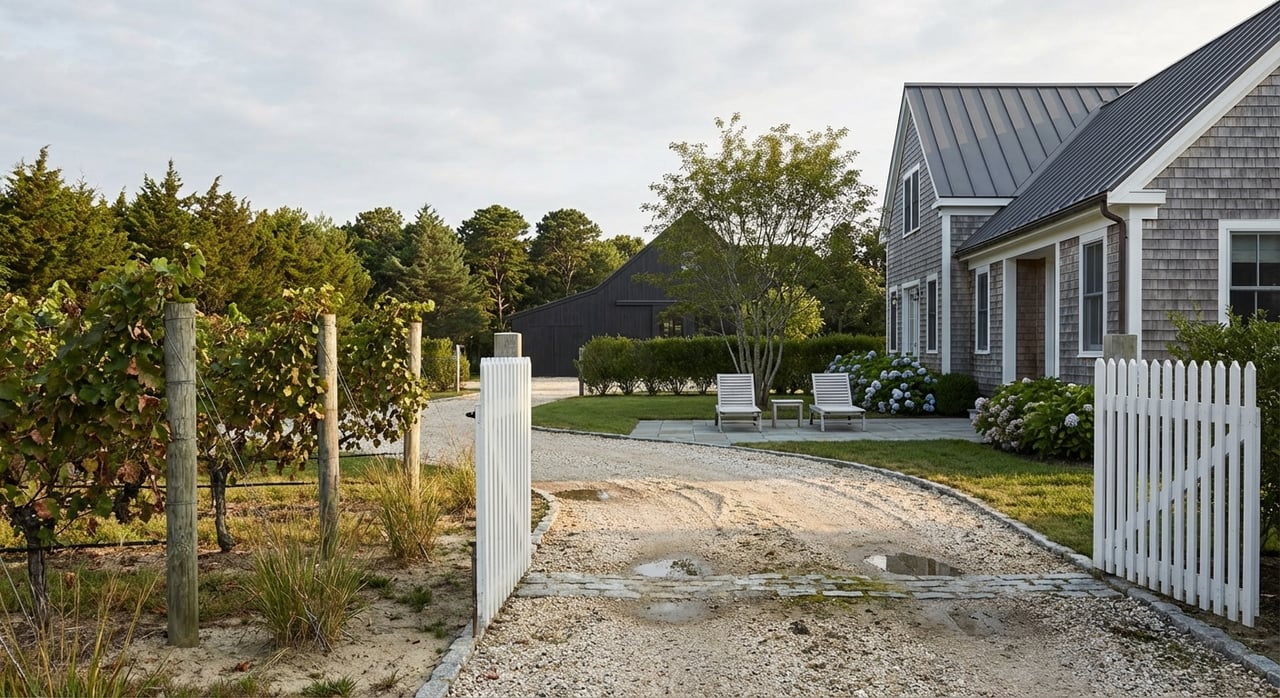
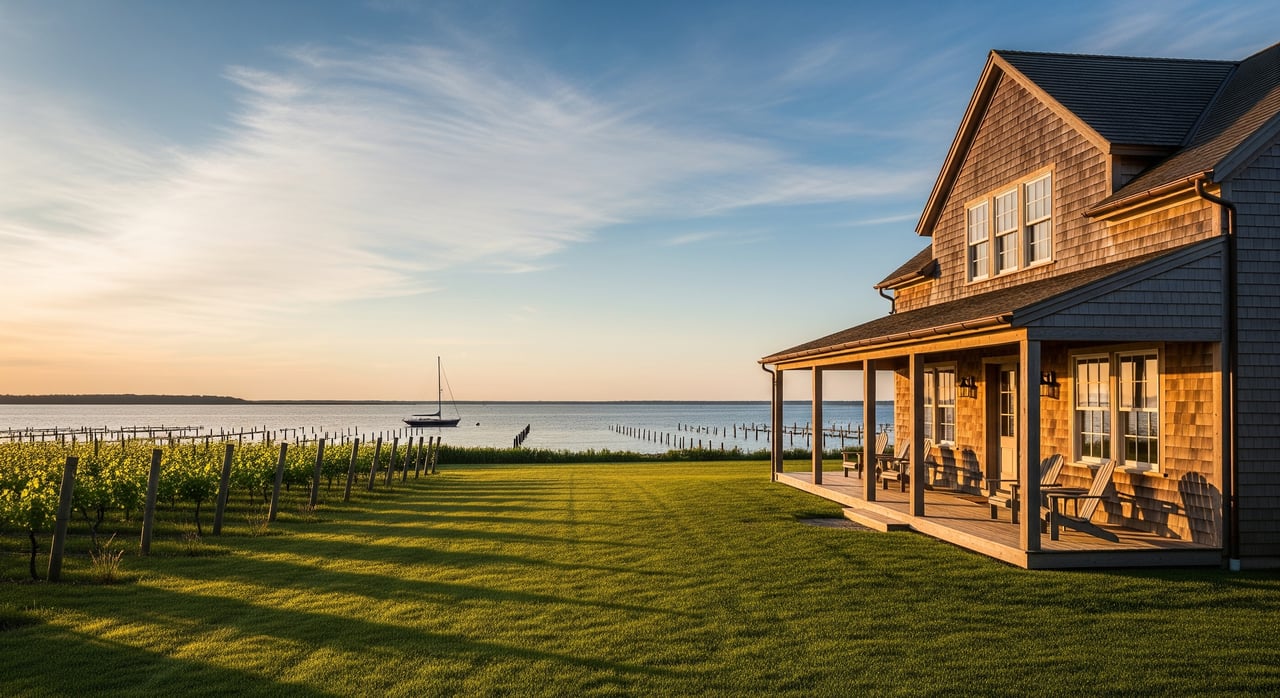
The North Fork leans agrarian and maritime. You will find vineyards, farmstands, and small, walkable villages like Greenport and Mattituck. The vibe is slower and more year‑round, with a food‑and‑wine culture, casual farm‑to‑table dining, and protected bay and sound beaches that are great for kayaking and fishing. Many homes sit on larger lots, and there is strong appeal for buyers who want more land for the dollar.
Hamptons at a glance
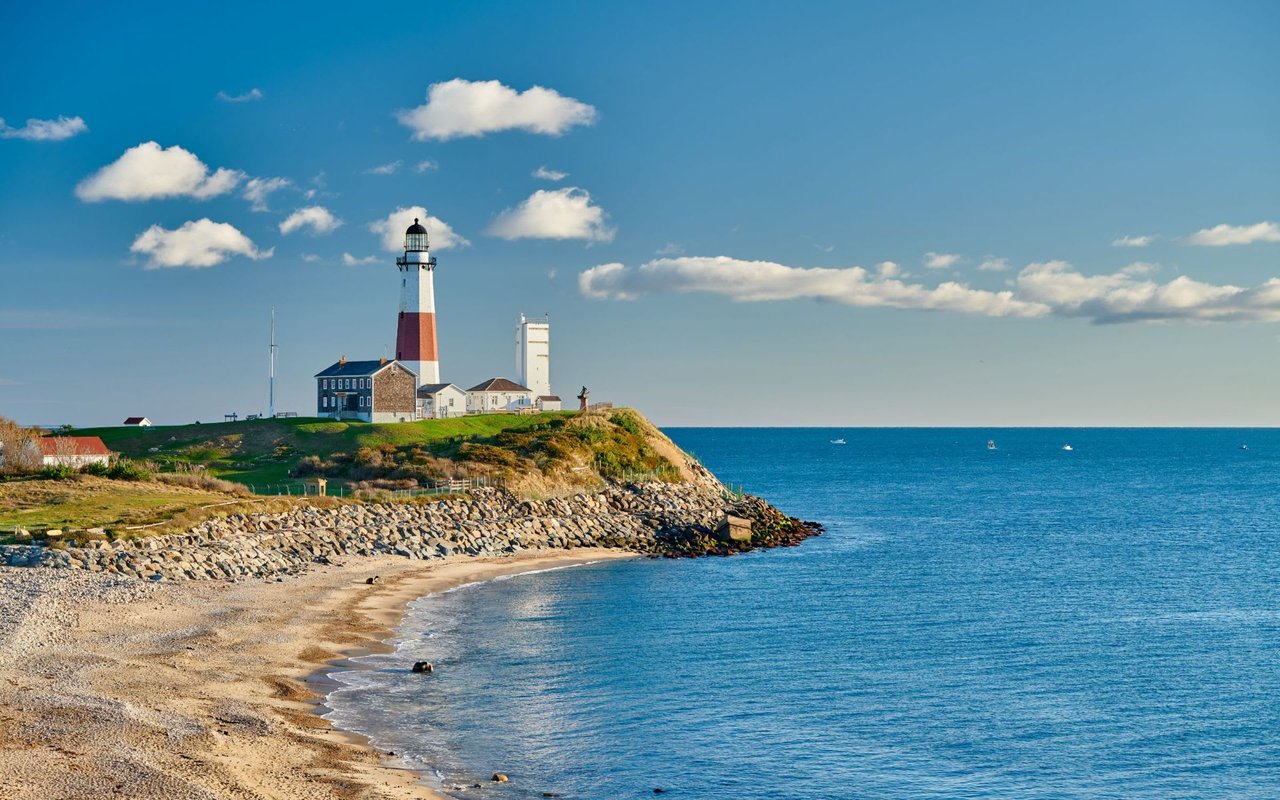
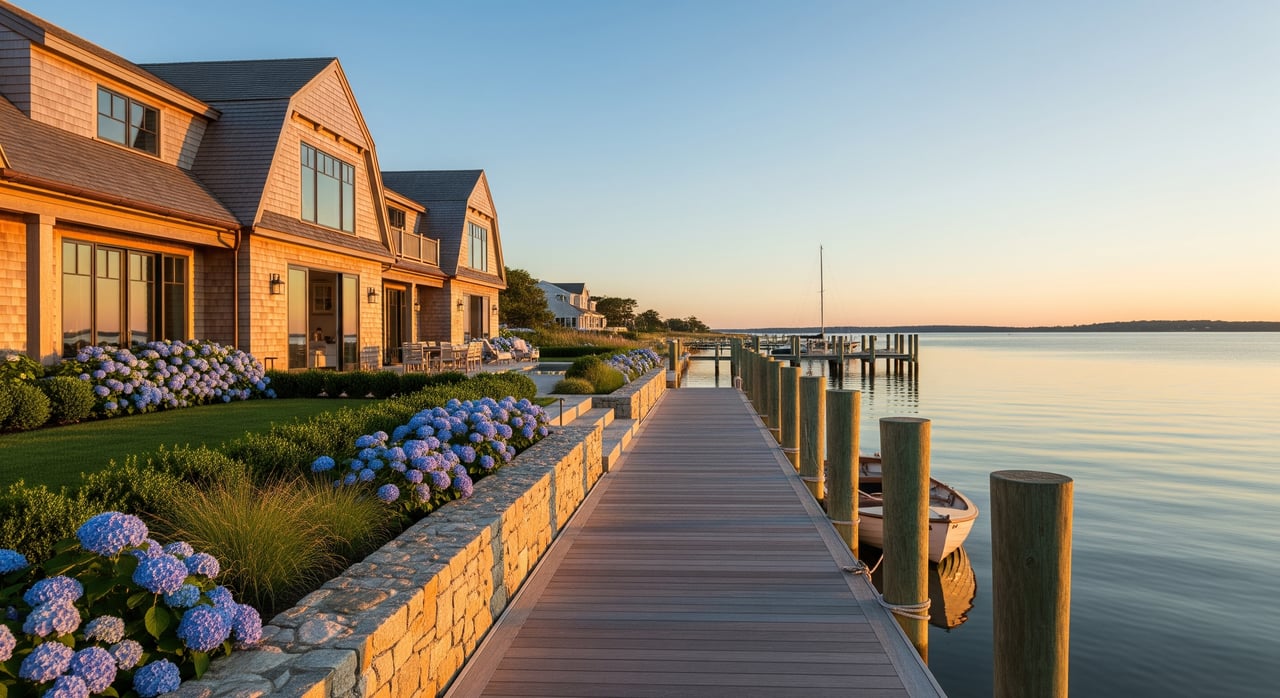
The Hamptons is a premium market centered on Atlantic beaches and a high‑visibility social scene. Expect upscale dining, galleries, designer boutiques, private clubs, and deep‑water marinas that serve larger yachts. Towns like Southampton, East Hampton, Sag Harbor, and Montauk swell in summer, when demand and traffic spike. The market caters heavily to second‑home owners and luxury services.
What your budget buys
You will typically pay more in the Hamptons than on the North Fork for comparable proximity to water and village life.
These are broad bands intended to frame the gap between the two markets. Local streets, shoreline access, lot size, and renovations can move pricing significantly. When you are ready to compare specific towns, it helps to review recent sales and active listings side by side.
Inventory and market pace
The Hamptons often sees limited supply at the high end, and well‑priced seasonal homes can move quickly, especially leading into summer. Price sensitivity is high, and presentation matters. The North Fork tends to offer more inventory in the entry and mid tiers. Properties may spend longer on market, and many support year‑round living.
For resale, the Hamptons can deliver a fast sale when pricing and presentation align with seasonal demand. On the North Fork, you may wait a bit longer, but you will attract buyers who prize value, land, or a quieter lifestyle.
Commute and access
Both areas are reachable from Manhattan in roughly 2 to 3 hours, depending on traffic and schedules.
- Hamptons access: The LIRR Montauk Branch serves many towns. You also have frequent express bus services and road access via Sunrise Highway and Route 27.
- North Fork access: The LIRR Greenport Branch serves Riverhead, Mattituck, and Greenport. You will find fewer express bus options. The Cross Sound Ferry from Orient Point connects to Connecticut, which can help for New England travel.
If you live in Fort Salonga today, plan for added drive time as you move east. Think through how often you will go to the city for work or family. If you travel frequently, test your likely route at busy times before you commit.
Taxes, insurance, and utilities
Property taxes in Suffolk County are significant by national standards, and bills vary by town and special districts. Hamptons towns often have higher assessed values, which can translate to higher tax bills. North Fork assessed values are generally lower, but rates still matter in your total monthly cost.
Coastal ownership comes with flood considerations. Both regions face storm and sea‑level risks. Many waterfront or near‑shore properties sit in FEMA flood zones and require flood insurance. Premiums depend on elevation and mitigation features, so build quotes into your early due diligence.
On the North Fork, many rural properties use septic systems and sometimes private wells. Account for ongoing maintenance or upgrades, since sanitary rules are evolving across East End towns. Some Hamptons properties also rely on septic and may face local sanitary requirements.
Zoning, preservation, and rental rules
On the North Fork, farmland preservation and agricultural districts limit subdivision and large‑scale redevelopment. These policies protect rural character and open space, but they may cap future density and alter long‑term development potential.
Hamptons towns have strict coastal zoning, setbacks, and, in some areas, Coastal Erosion Hazard Area rules. Waterfront permitting can be complex and time consuming. Across both forks, short‑term rental regulations vary by town and have tightened in certain places. Registration and inspections may be required. Before you count on rental income, review the municipal code for your specific town and confirm current rules and enforcement practices.
Boating and beaches
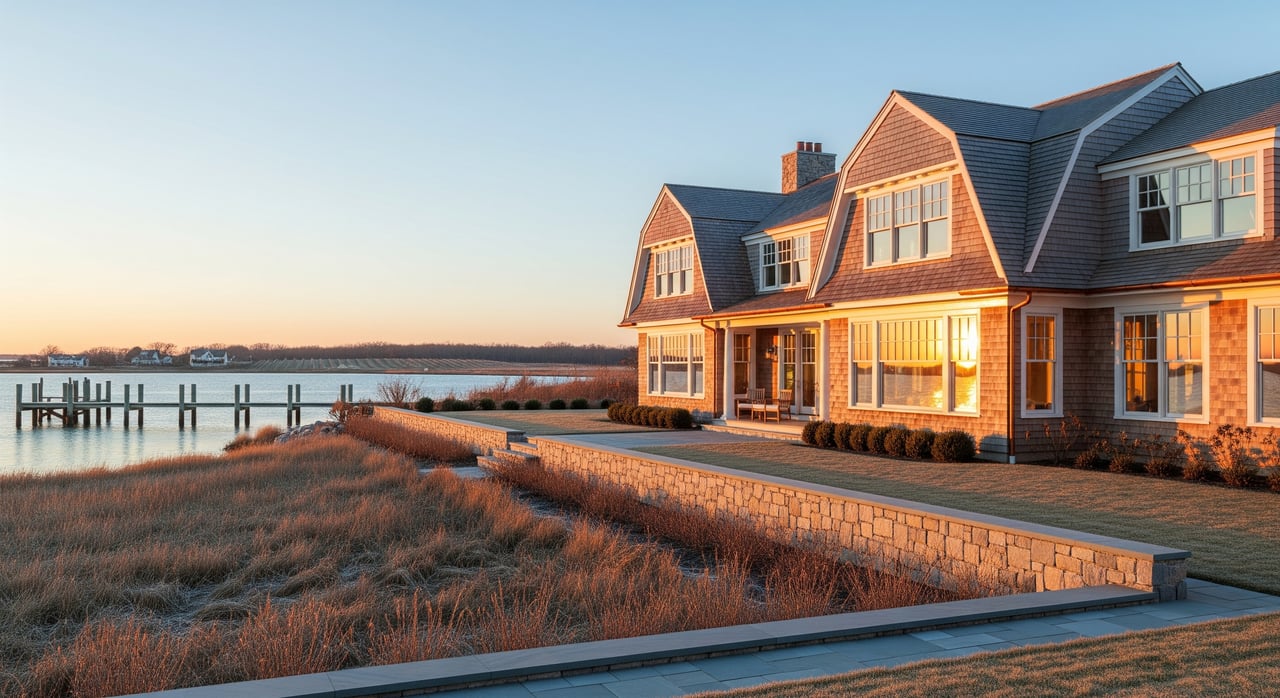
If your weekends revolve around ocean waves and larger vessels, the Hamptons offers deep‑water marinas and direct ocean access. If you love protected waters, fishing, kayaking, and smaller craft, the North Fork’s bays and Long Island Sound shoreline shine. Both areas offer beautiful beaches, but the beach experience and boating style differ. Consider your ideal day on the water and tour marinas that fit your boat size.
Who each area fits best
Fort Salonga perspective
Coming from Fort Salonga’s North Shore setting, your choice is also a lifestyle shift. The North Fork’s rural stretches bring more open land, tasting rooms, and slower roads. The Hamptons leans toward seasonal energy, luxury services, and Atlantic beaches. Both are further from central Long Island retail hubs than Fort Salonga, so plan weekly errands and healthcare access with that in mind.
Before you decide, visit in two seasons. Spend a high‑summer weekend to sample traffic, crowds, and beach access. Return in the off season to feel the year‑round rhythm. Walk village centers, preview marinas, and time your drives to the city and to essential services.
How to choose with confidence
Use this simple path to a decision that fits your life and budget:
- Define your budget and ownership goals
- Clarify price, down payment, and desired monthly carrying costs.
- Decide whether you need rental income or plan full personal use.
- Pick your lifestyle anchors
- List what matters most: vineyard culture, ocean beaches, deep‑water marina access, walkable villages, or acreage.
- Shortlist towns
- On the North Fork, consider Greenport, Southold, Mattituck, Cutchogue, Jamesport, Riverhead. In the Hamptons, weigh Southampton, East Hampton, Sag Harbor, and Montauk.
- Test your commute and errands
- Drive or take the train at peak times. Map hospital, urgent care, and weekly shopping.
- Price check by micro‑market
- Compare recent sales and active listings on the same streets or waterfronts. Adjust for lot size, elevation, and renovation level.
- Vet ownership details early
- Order tax histories, flood insurance quotes, and a septic assessment plan if applicable.
- Confirm short‑term rental rules with the town if you intend to rent.
- Lean on local expertise
- Work with an agent who can arrange tours across both forks, stage and compare properties, and manage a clean, on‑budget process from offer to close.
Bottom line
Both the North Fork and the Hamptons deliver signature East End living, yet they offer different paths to joy. If you want value, land, vineyard‑and‑village life, and a calmer pace, the North Fork is a strong match. If you want Atlantic beaches, a robust social scene, and prestige, the Hamptons may be worth the premium. Either way, a clear plan and local guidance will help you find the right home and the right story for your weekends and seasons.
Ready to compare listings, neighborhoods, and carrying costs in detail? Connect with Maria McBride‑Mellinger for tailored tours, valuations, and staging‑forward strategy.
FAQs
How do prices compare between the North Fork and the Hamptons?
- In general, the Hamptons commands higher prices across most property types, with many move‑in single‑family homes ranging from $2M to $5M, while North Fork homes more often fall between $600k and $1.5M, with waterfront in the $1M to $3M range depending on micro‑location.
Is the North Fork a good place to live year‑round?
- Yes, many residents live on the North Fork full time, with village services, local dining, healthcare within reach, and a calmer pace than peak‑season Hamptons hubs.
How long does it take to reach the East End from Manhattan?
- Plan roughly 2 to 3 hours to many North Fork or Hamptons destinations by car or LIRR, though peak‑season traffic and schedule timing can add time.
Are short‑term rentals allowed on both forks?
- Rules vary by town and change over time; confirm current registration and inspection requirements with the specific municipality before relying on rental income.
What are the key ownership cost differences I should expect?
- Suffolk property taxes are significant, flood insurance may be required near the water, and many North Fork homes use septic systems that need maintenance or upgrades.
Which North Fork areas often deliver the best value?
- Inland and bay‑adjacent locations like Riverhead, Jamesport, and parts of Mattituck often offer larger lots and lower cost per square foot, while prices rise near Greenport harbor and direct waterfronts.