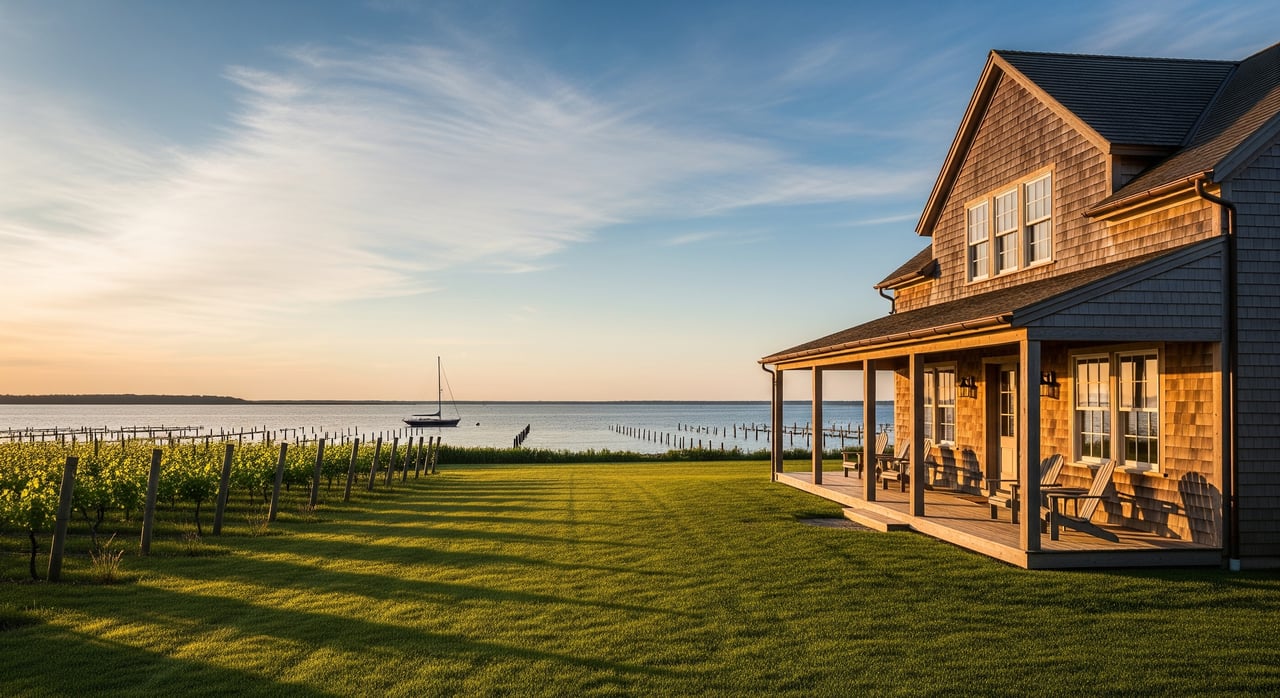
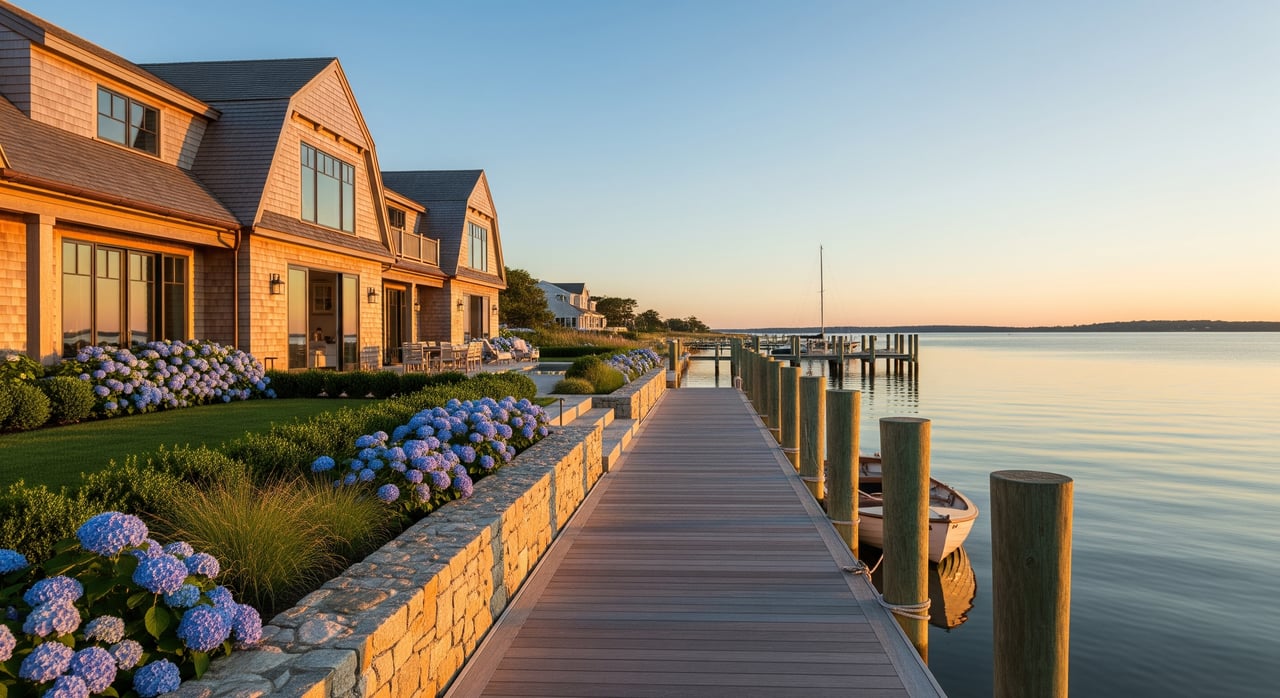
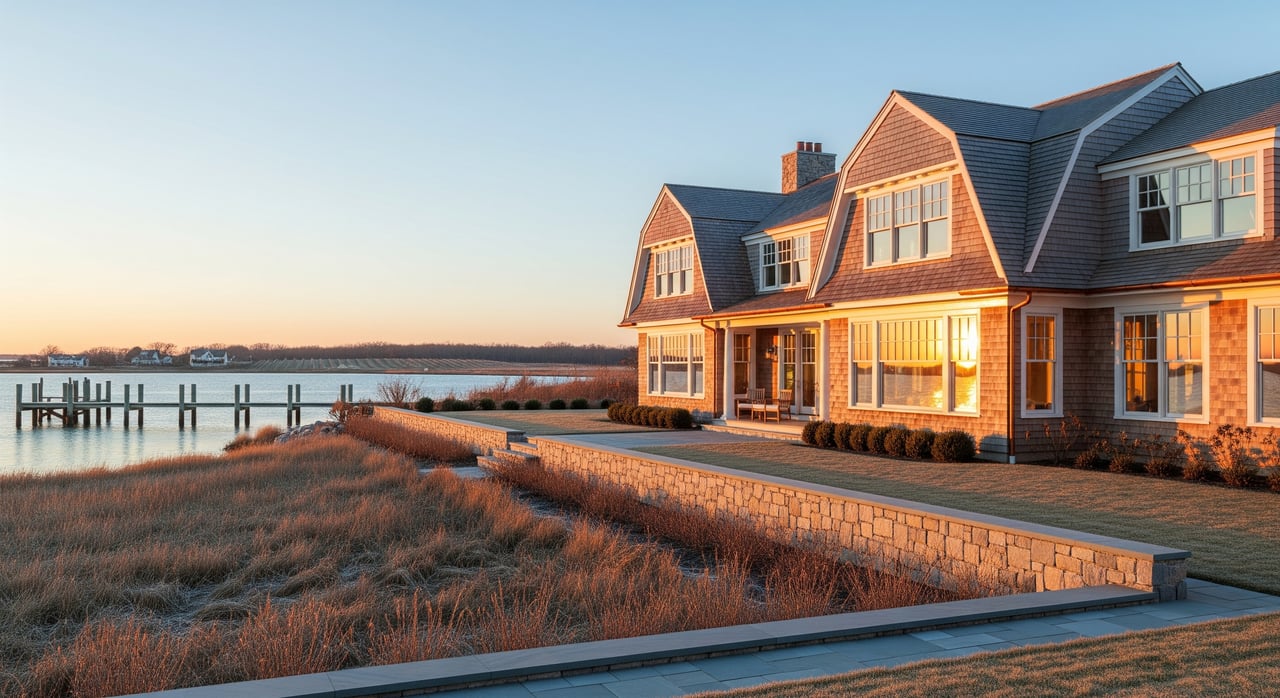
Do you picture mornings that open to rows of vines and big skies, with farm stands on your errand route and a tasting lawn a bike ride away? If that sounds like your pace, Cutchogue on Long Island’s North Fork may be a perfect match. You want the romance of wine country, but you also want the facts that make a smart purchase. This guide walks you through what vineyard‑adjacent living really feels like in Cutchogue, what to expect in each season, which property traits are common, and the practical checks that help protect your views and lifestyle. Let’s dive in.
Why Cutchogue for vineyard‑adjacent life
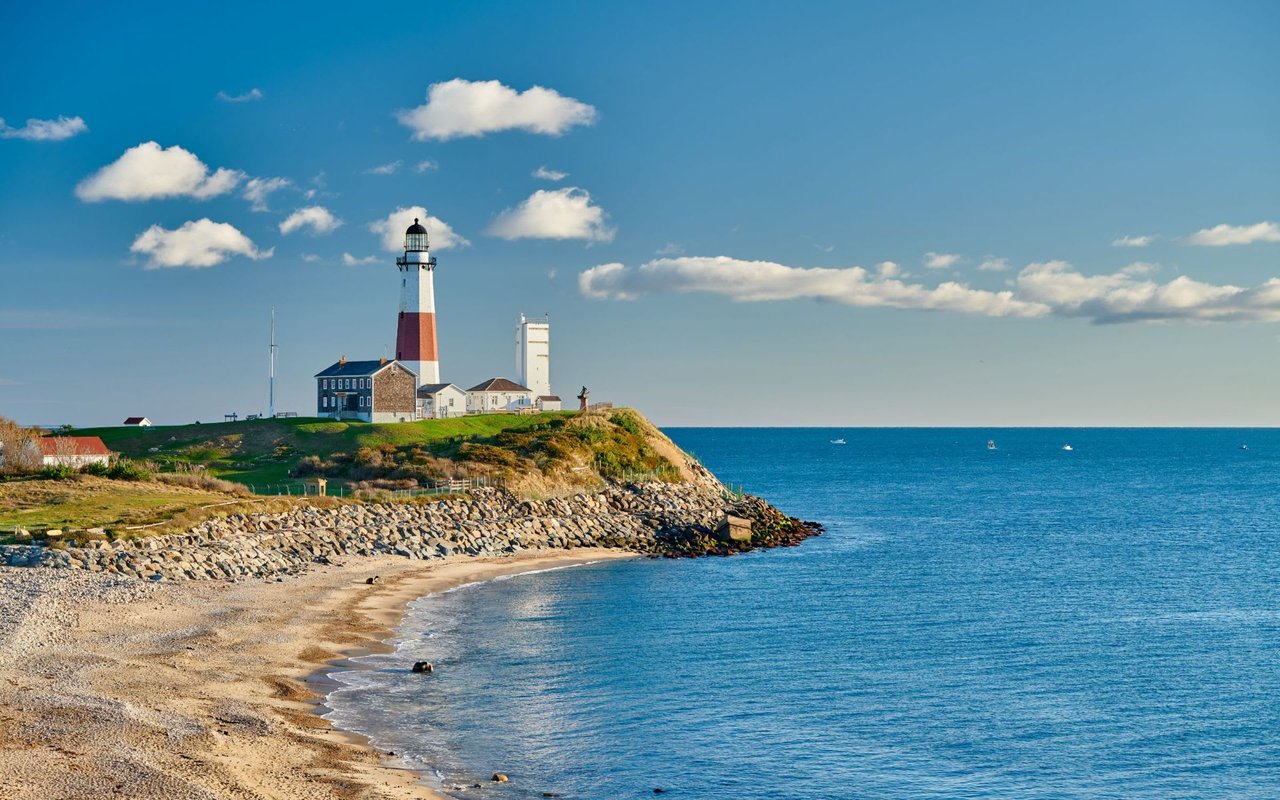
Cutchogue is a hamlet in the Town of Southold on the North Fork of Suffolk County. It sits within a long arc of farmland and preserved open space that keeps the area’s rural character intact. You will find a quieter feel than many Long Island suburbs and a landscape that still reads as working countryside. For a quick orientation, see the hamlet’s profile and geography on the Cutchogue overview.
One reason the landscape stays open is zoning. Southold’s code includes an Agricultural‑Conservation district with a two‑acre minimum parcel standard, which supports lower density and helps preserve scenic character. You can review the town code resource for context on how these districts function at the Southold code portal. The area also benefits from active land preservation, with recent town and county purchases that keep fields in production and protect long views, as reported in a Cutchogue preservation update.
Daily life near the vines
Wineries as neighbors
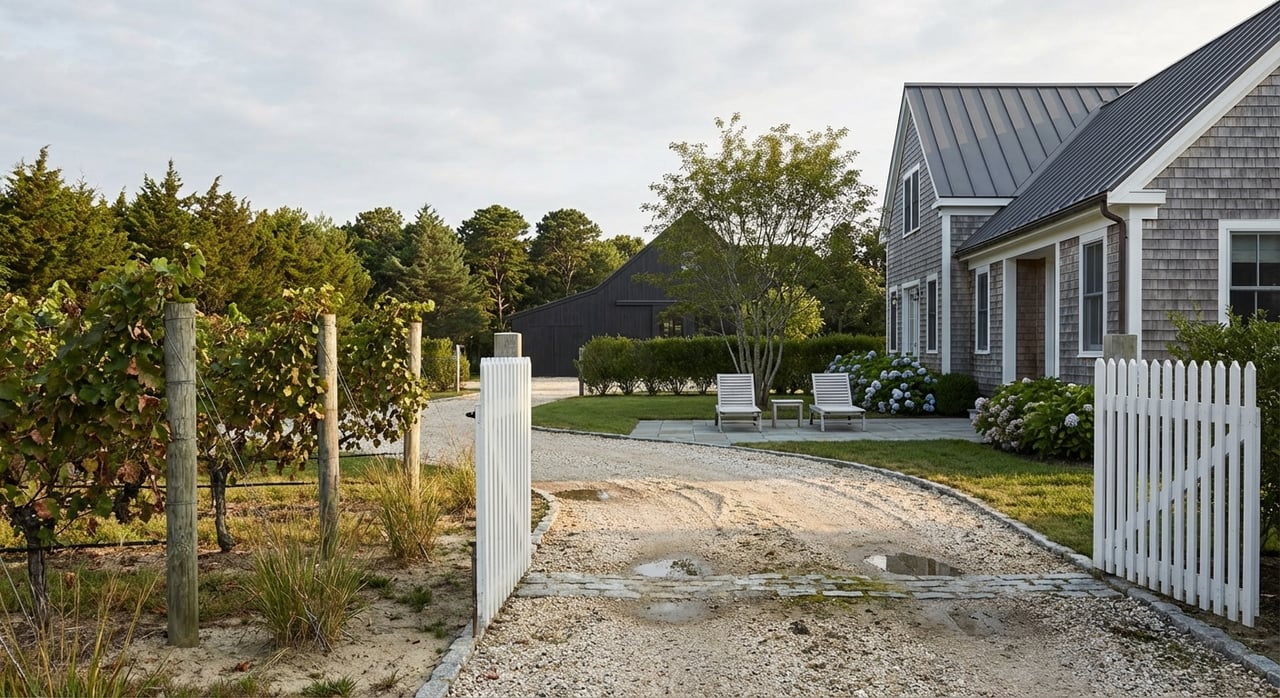
Wineries and tasting rooms dot Main Road and the surrounding lanes, creating a relaxed rhythm on weekends and a gentle, open feel most weekdays. Expect outdoor seating, casual picnicking, and seasonal programming like live music that draws visitors during peak times. To get a sense of the typical tasting‑room experience, browse this regional tasting room guide. As a resident, you enjoy the convenience of popping in midweek when crowds are light and the lawns feel like an extension of your backyard.
Farm stands and local food
Working farms remain a Cutchogue signature, and that shows up in everyday life. Family farm stands, seasonal U‑pick, and specialty growers add a farm‑to‑table thread to your errands and weekend plans. A quick scan of local agriculture highlights illustrates how common and close‑to‑home these experiences are on the North Fork, as noted in the regional agriculture overview. It is normal to plan dinner around what you find at a stand five minutes from home.
Beaches, back roads, and open space
In addition to the vineyards, you have bay and Sound access nearby and a network of quiet roads that invite walks and bike rides. Larger lots and preserved fields create long sightlines and a sense of space you notice as soon as you pull onto a side lane. Many residents build daily routines around simple outdoor time, whether that is a morning pedal past vines or an evening stop by the water.
The seasons you will feel
Harvest brings extra energy
From early September into October, grapes ripen and come off the vines. Vineyard work and visitor activity pick up during this window, which shapes the region’s ambiance. If you want to time your scouting trips to see peak energy, plan visits in this period. You can track the seasonal arc using Cornell’s Veraison to Harvest updates for New York vineyards.
Weekday calm, weekend buzz
Late spring through fall is the North Fork’s high season. Midweek often feels tranquil, while summer weekends and harvest weekends are livelier, with fuller tasting lawns and more cars on the main roads. This dual character is part of the appeal for many buyers who want quiet most days and a festive backdrop when they choose. For a flavor of the seasonal calendar and weekend energy, see a recent North Fork weekend roundup.
Property types and features to expect
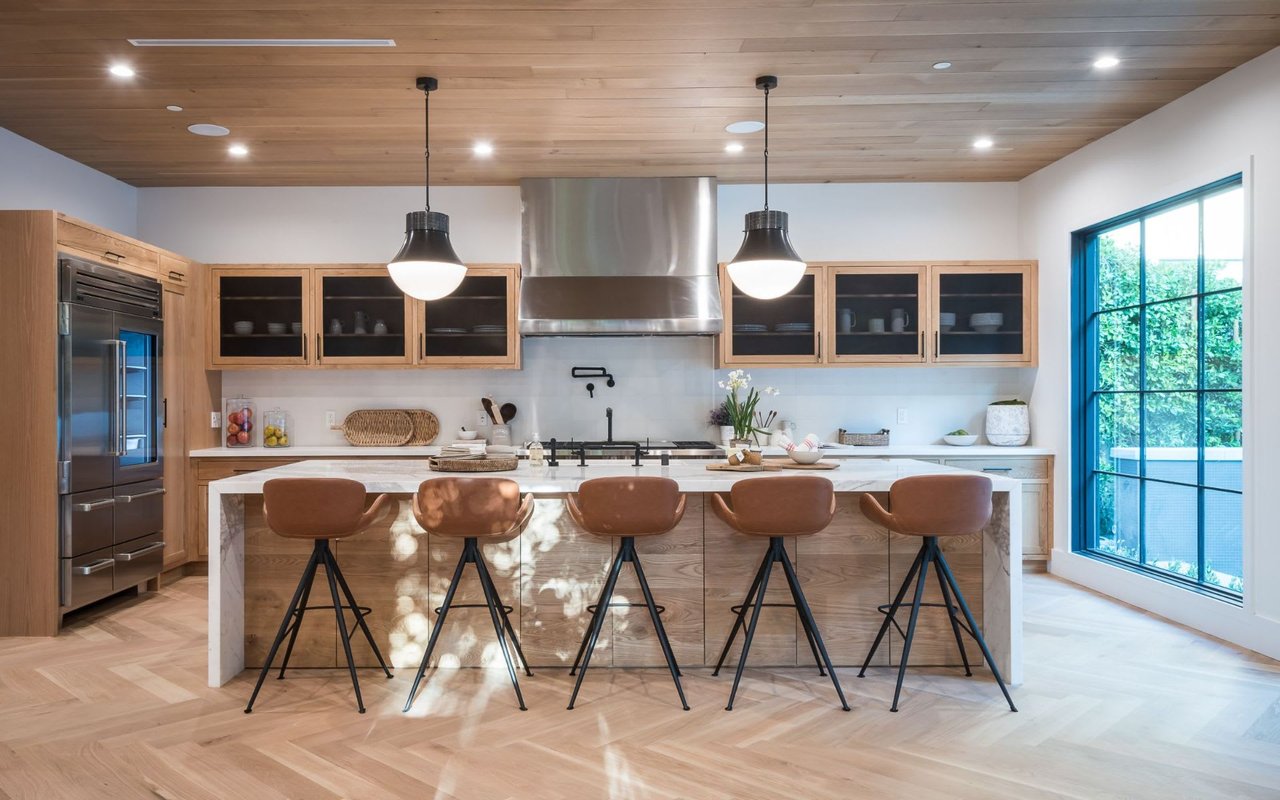
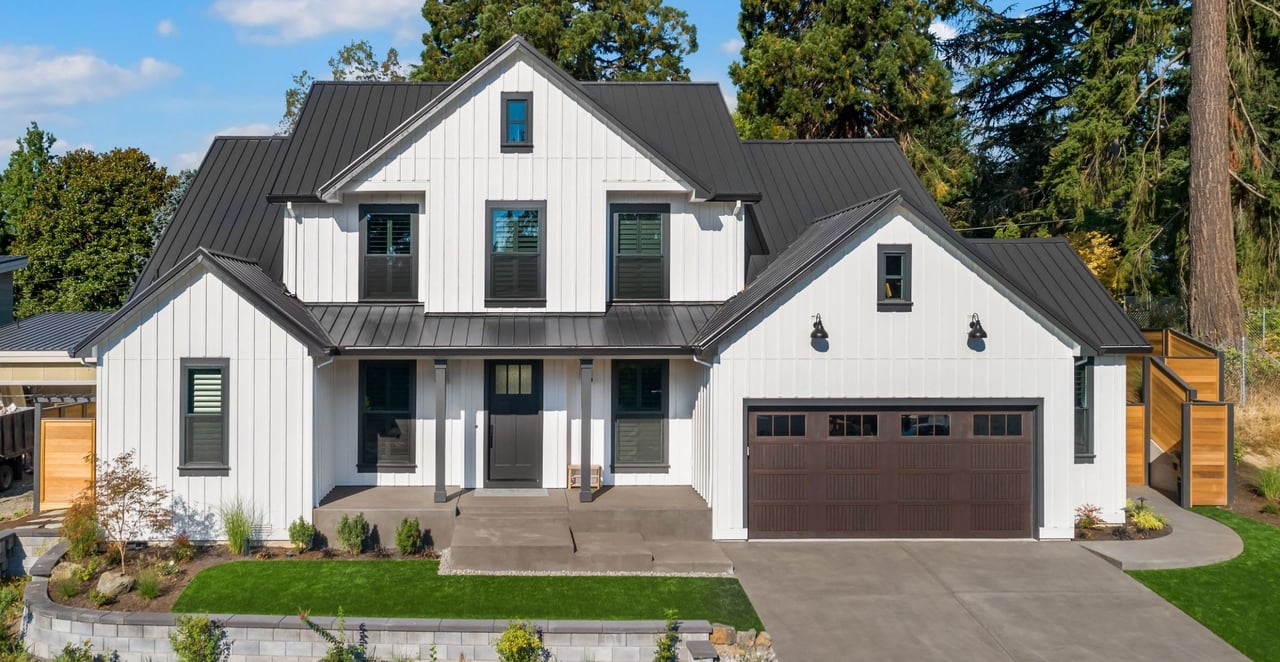
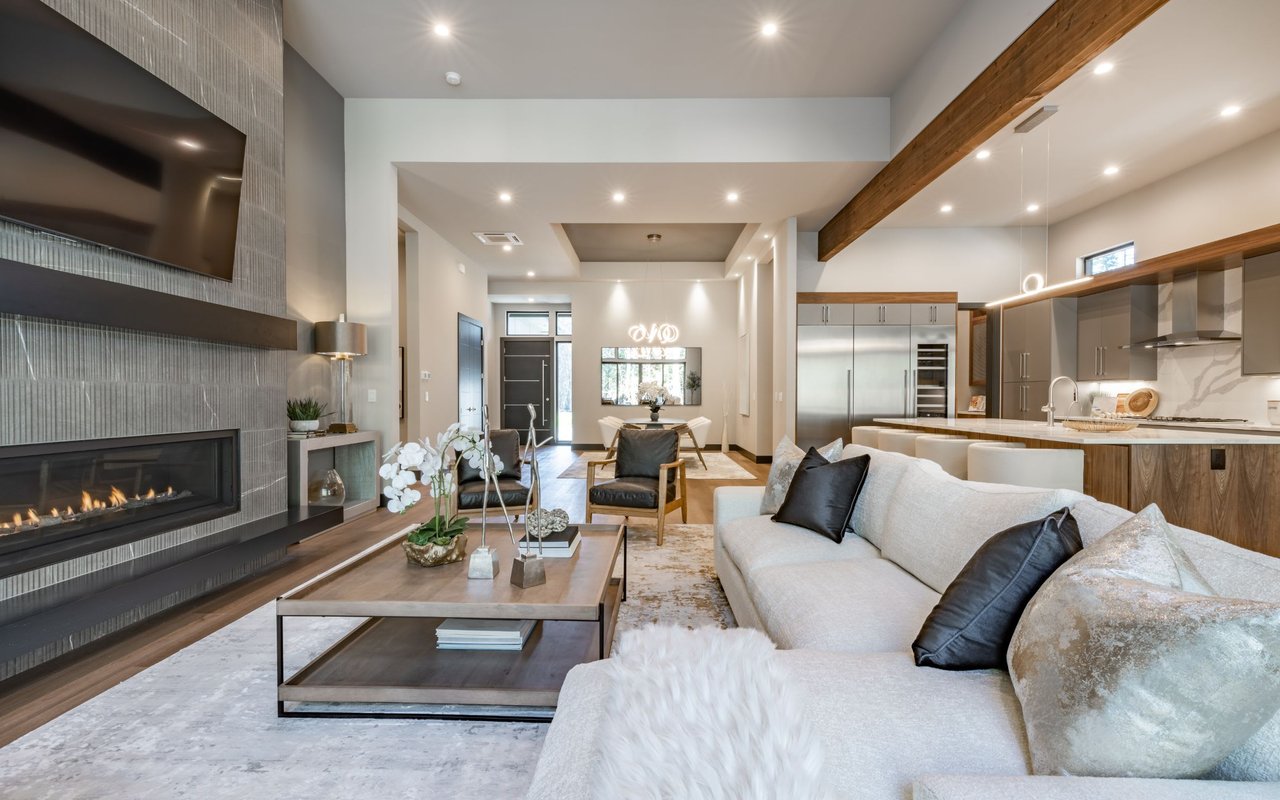
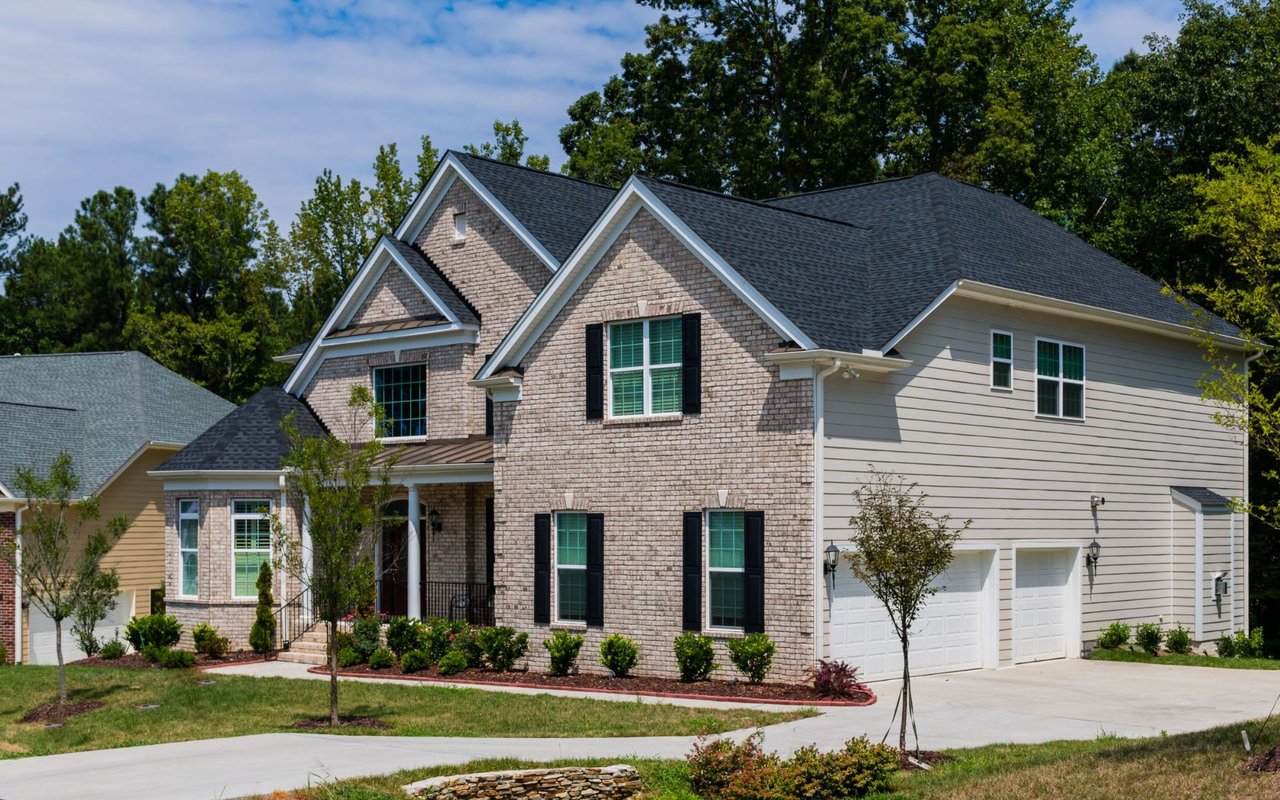
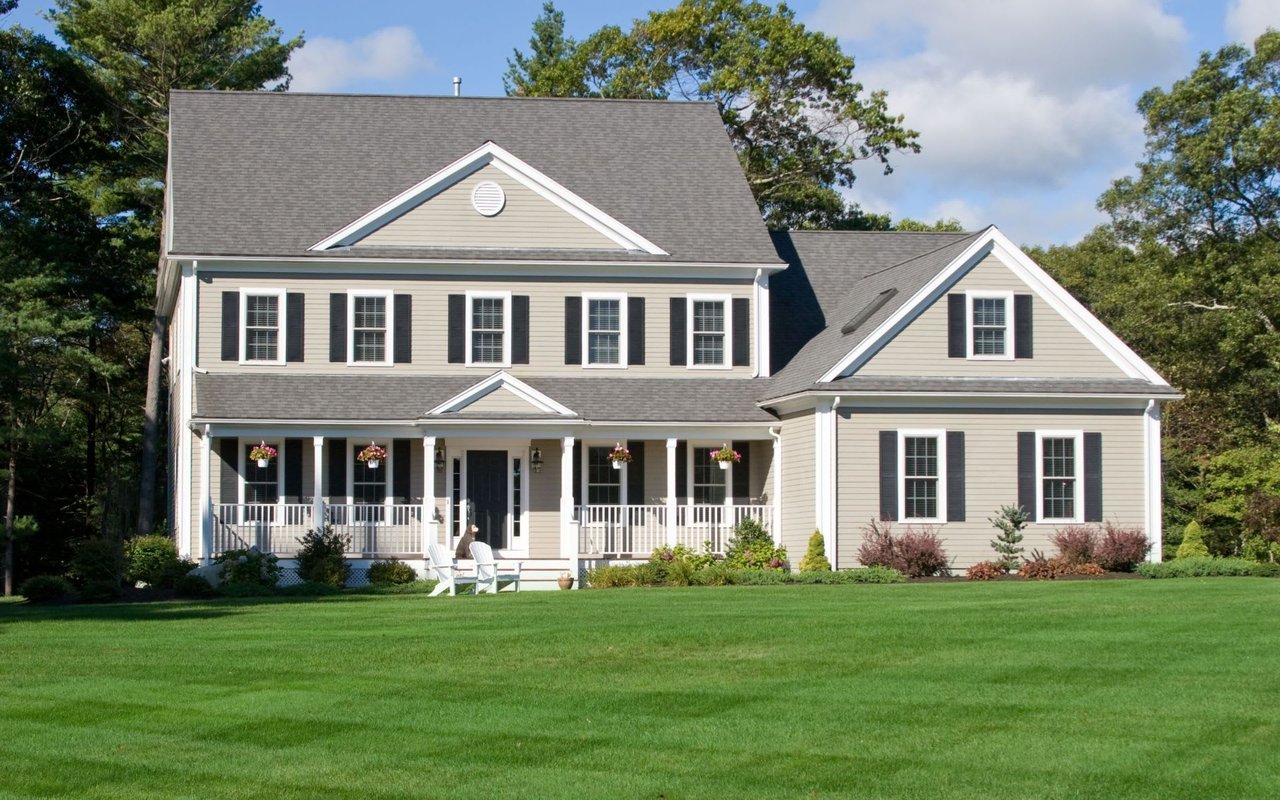
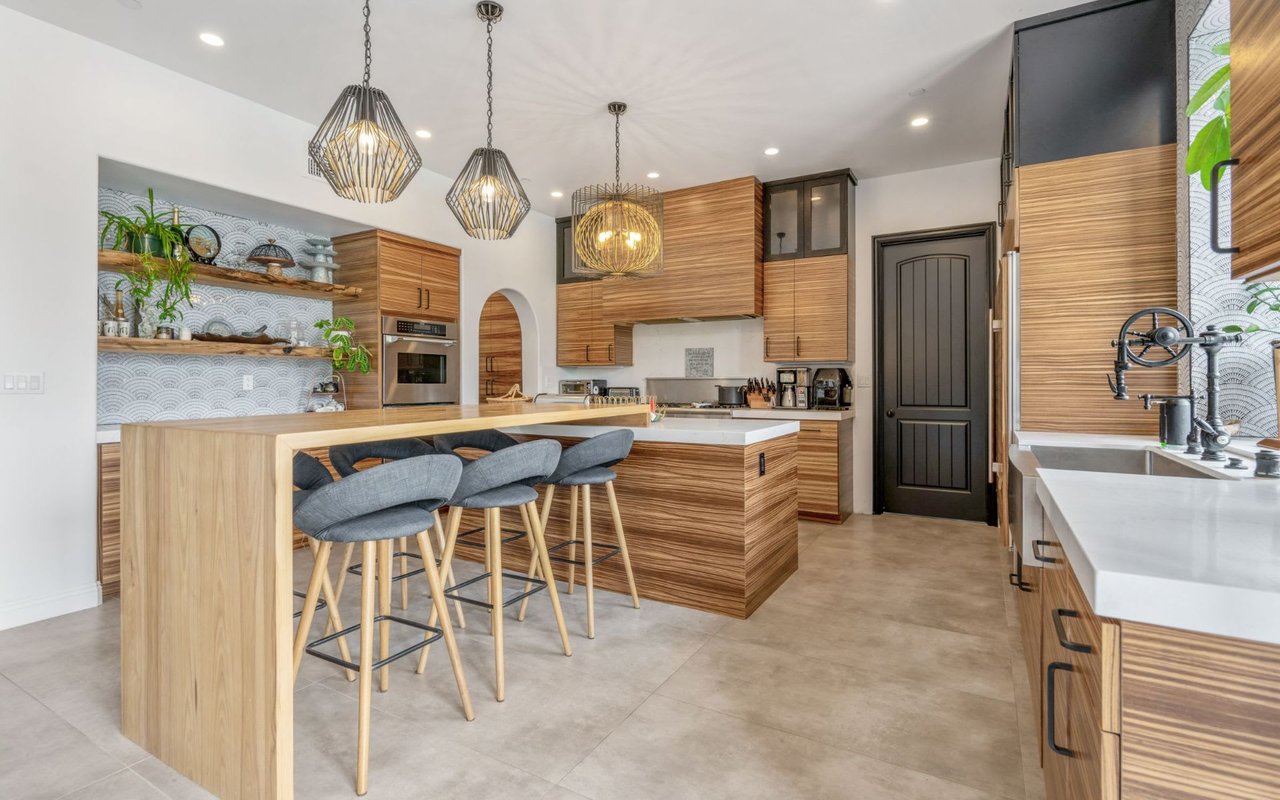
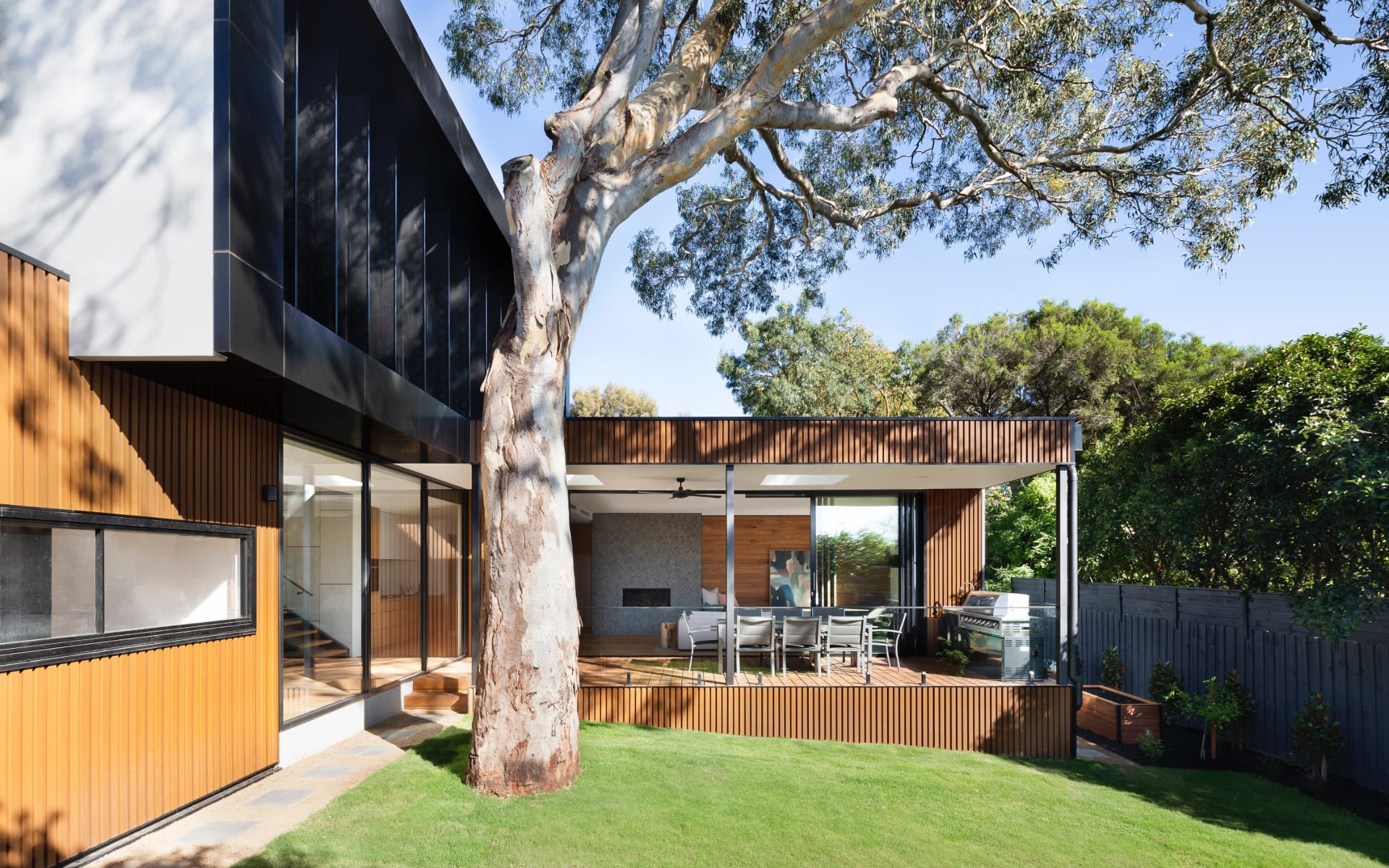
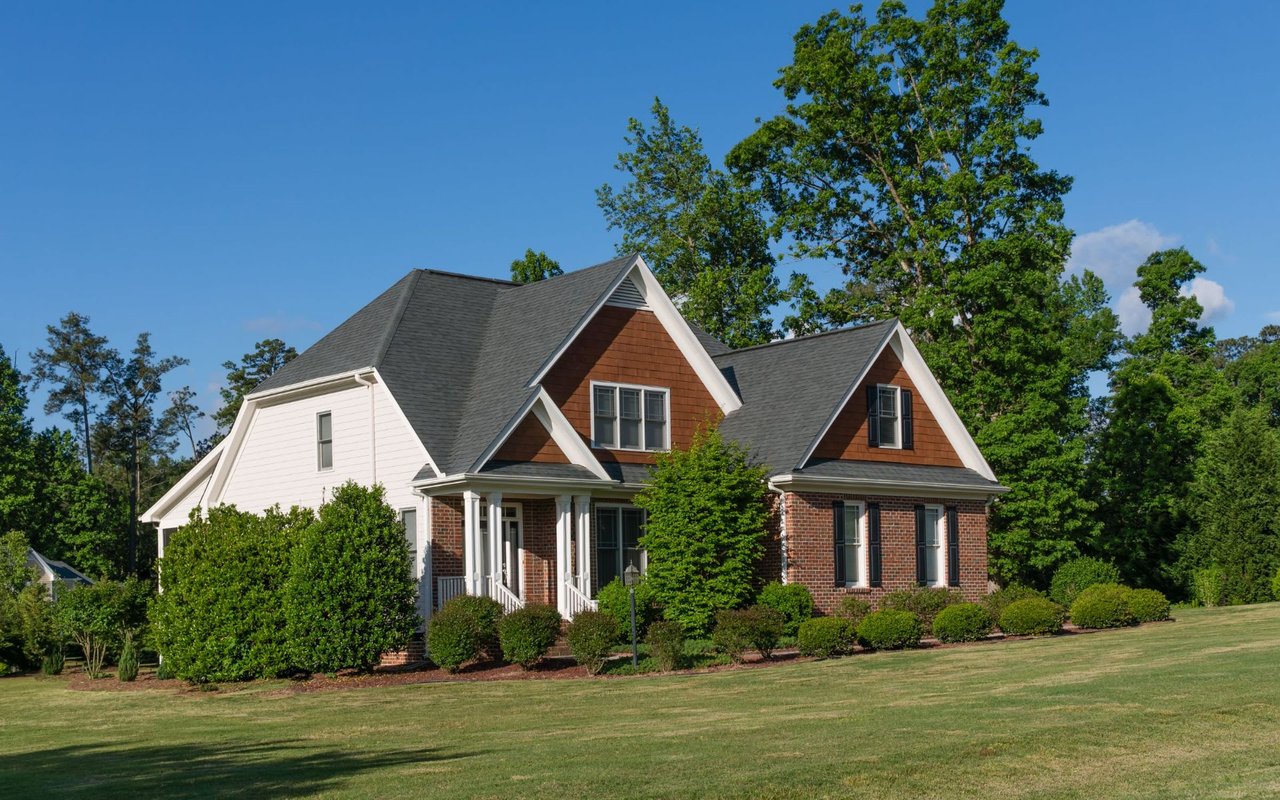
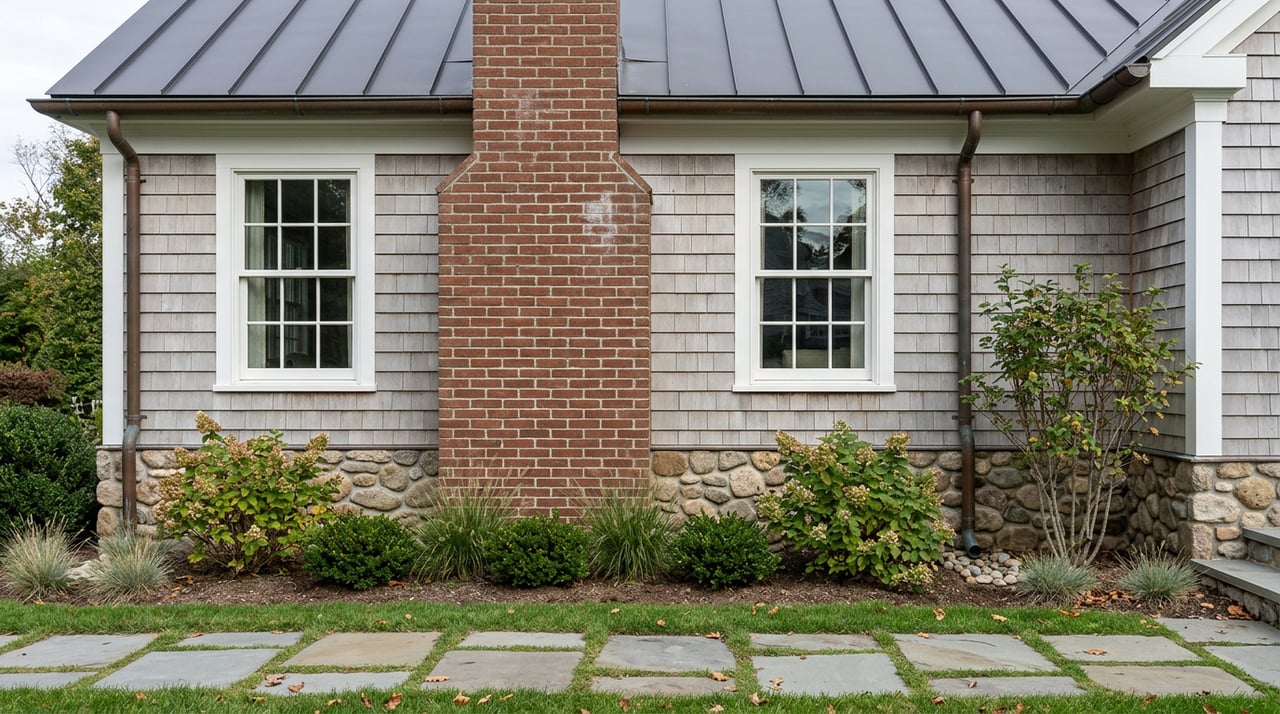
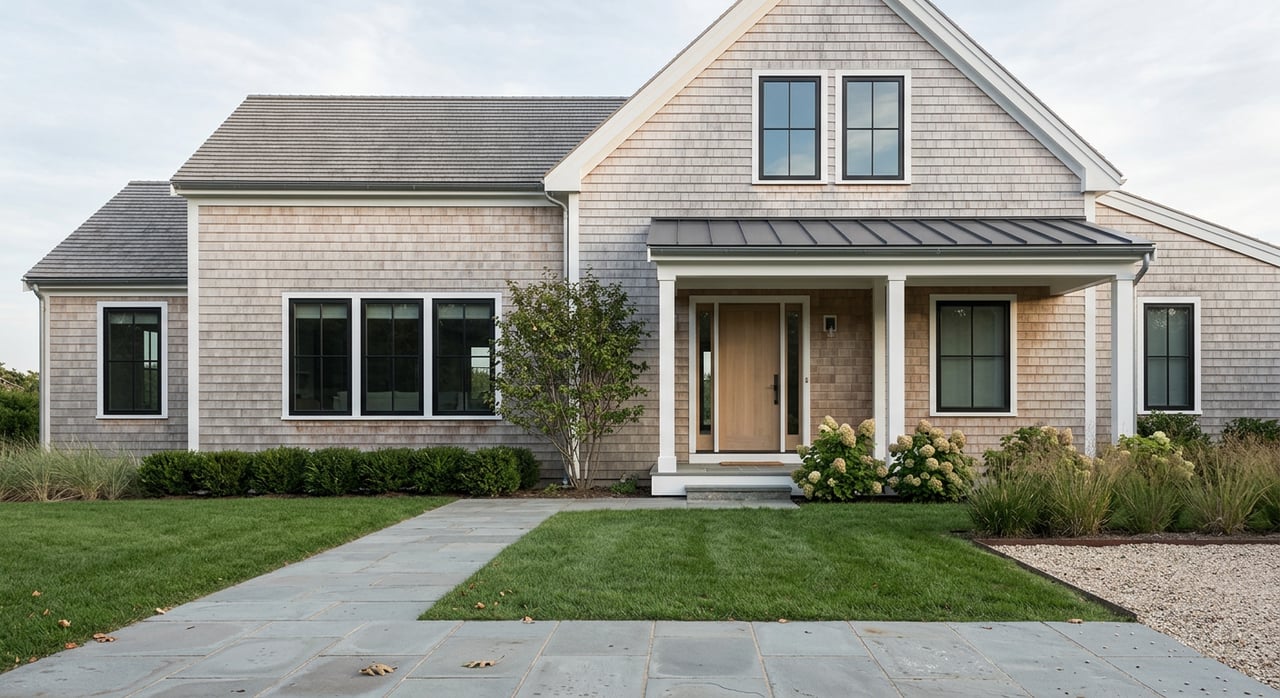
Cutchogue offers a mix of historic farmhouses, cottages, renovated barns, and newer country homes set to capture vineyard or water views. Thanks to larger lot patterns, you often find deeper setbacks, bigger yards, and space for gardens, pools, or small accessory structures, where permitted. Many homes lean into indoor‑outdoor living with decks oriented to sunsets over the vines, sliding doors that open to lawns, and simple, modern‑farmhouse interiors that feel bright and calm. If you value privacy and green views, this landscape tends to deliver.
Practical checks before you buy
Zoning and preserved land
Ask whether the property is within an Agricultural‑Conservation zone and whether nearby parcels have conservation easements or sold development rights. These details influence what can be built in the area and how stable your long views are. Town planning records and land‑trust documentation are the places to verify. The Southold code portal is a good starting point for understanding district standards.
Septic systems, wells, and water quality
Much of Suffolk County relies on individual onsite wastewater systems. That means you should request a septic inspection, confirm permit history, and understand any county or grant‑driven upgrade requirements that might apply over time. For background on why upgrades have been a local focus, review regional wastewater guidance in this EPA overview on septic impacts. If a property uses a private well, ask for recent water test results and typical maintenance records.
Vineyard operations and spray practices
Working vineyards follow routine crop protection and canopy management. If you are concerned about spray timing or drift, ask nearby growers about their typical spray windows and buffers, look for shelter belts or hedgerows, and visit the property in season to observe real conditions. Cornell’s viticulture resources outline common practices and timing in their grape production guidance. Being informed helps you balance the benefits of living near vines with the realities of farm work.
Traffic patterns and noise
Expect light traffic and calm most weekdays, along with more cars and activity on peak‑season weekends. Tour homes at both times to compare. If you prefer extra quiet, focus on side‑road locations that sit away from the busiest tasting‑room corridors while still keeping you close to amenities.
Transit and commuting
The North Fork is realistic for remote‑first lifestyles and second homes. The LIRR’s Greenport branch serves the area but runs less frequently than other lines, so daily commuting into New York City can be lengthy. Check current schedules on the Greenport branch overview and consider a park‑and‑ride to Ronkonkoma if you need more service options.
Schools and local services
Public school students in the hamlet are served by the Mattituck‑Cutchogue Union Free School District. If schools are part of your decision, review current district boundaries and programs directly with the district office. Also confirm trash, recycling, and emergency services coverage for your address during due diligence.
How to test‑drive the lifestyle
Use one weekday and one weekend visit to feel the difference between calm and buzz. Start with a morning walk or bike ride on a back road, then visit a couple of tasting rooms mid‑afternoon to see how the crowd builds. Stop at a nearby farm stand and note how close it is to your potential home. If timing allows, plan a September or early October visit to experience harvest energy and winery programming tied to the season.
Drive your likely commuter routes at the times you would normally travel. Stand in the yard at sunset and listen for ambient sound. If vines are next door, ask the grower about typical spray schedules and buffers. You will leave with a grounded sense of whether the rhythm matches your day‑to‑day preferences.
Buyer checklist for vineyard‑adjacent homes
- Confirm zoning: Is the property in an Agricultural‑Conservation district, and what does that mean for density and future change?
- Review preserves and easements: Are nearby fields protected by development‑rights sales or conservation easements that support long‑term open views?
- Inspect wastewater: Order a septic inspection and pull permit history, and ask about any recommended upgrades.
- Ask growers: If a vineyard is close by, request typical spray windows, buffer zones, and any community agreements.
- Compare timing: Visit midweek and on a peak‑season weekend to gauge traffic, sound, and tasting‑room activity.
- Check transit reality: Review LIRR Greenport branch options if commuting will be part of your routine.
Working with a local advisor
Buying into wine‑country life is as much about fit as it is about finishes. You want an agent who understands zoning nuance, seasonal rhythms, and how to frame a home’s vineyard outlook through staging and presentation. With a staging‑first, editorial approach and deep North Fork knowledge, you will get guidance that blends lifestyle storytelling with clear, practical due diligence.
If Cutchogue’s vineyard‑adjacent lifestyle is calling, connect for a tailored plan, area tours, and on‑point property matches. Reach out to Maria McBride‑Mellinger to start the conversation.
FAQs
What does “vineyard‑adjacent” living mean in Cutchogue?
- It typically means a home that sits near active vineyards and farms, where you enjoy open views, tasting‑room access, and a rural pace alongside normal farm activity and seasonal visitor traffic.
When is the busiest season near North Fork wineries?
- Late spring through fall is the high season, with the most activity during summer weekends and the September–October harvest window documented by Cornell’s Veraison to Harvest updates.
Are vineyard views and quiet guaranteed if I buy in Cutchogue?
- No view is guaranteed, but Southold’s A‑C zoning and ongoing land preservation make large‑scale change less likely; verify nearby easements and any pending applications with town records.
How do vineyard sprays and farm work affect daily life?
- Vineyards follow standard crop‑protection practices; ask neighboring growers about spray windows and buffers, and visit in season to observe real‑world timing and activity.
Is Cutchogue practical for a daily NYC commute?
- The LIRR Greenport branch has limited frequency, so daily commuting can be long; many buyers choose Cutchogue for remote work or second‑home use and drive to more frequent service when needed.
Which public school district serves Cutchogue addresses?
- The hamlet is served by the Mattituck‑Cutchogue Union Free School District; confirm your specific address with the district for current boundaries and programs.