Dreaming of swapping subway horns for vineyard views and salt air? If small-town main streets, farm stands, and quiet beaches sound like your pace, the North Fork may be exactly what you picture. You will find a slower daily rhythm, space to breathe, and a real sense of place, along with a few practical trade-offs to weigh. In this guide, you will learn what daily life is like, the housing styles you will see, how seasons shape the calendar, and the essentials to check before you move. Let’s dive in.
North Fork at a glance
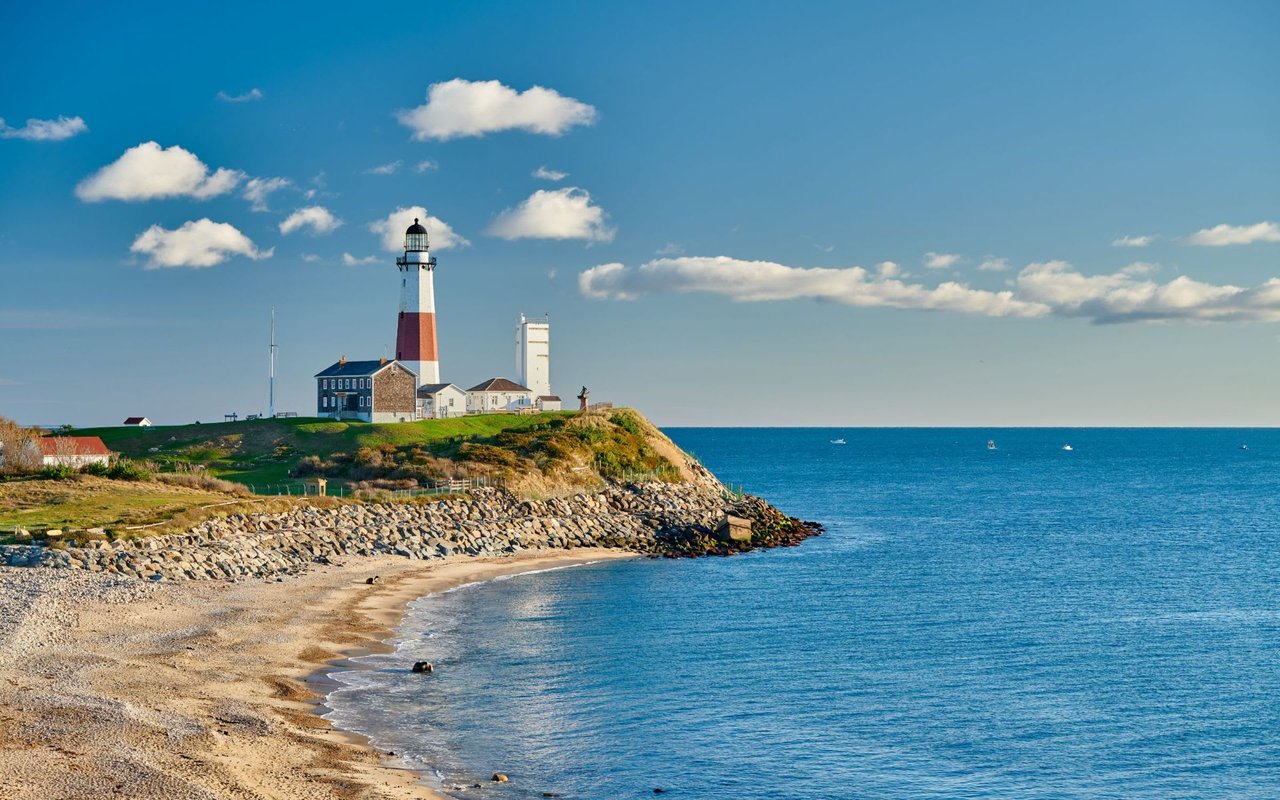
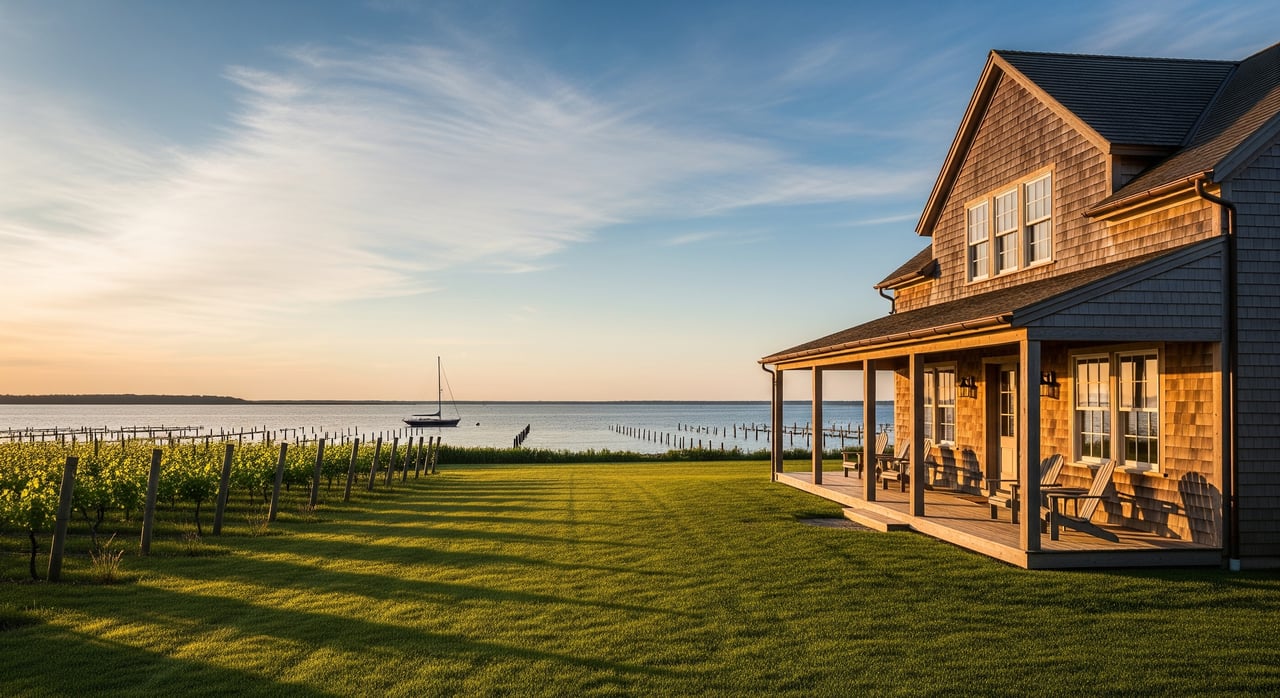
Stretching through Mattituck, Cutchogue, Southold, Greenport, and out to Orient, the North Fork blends farmland and waterfront with compact, historic villages. Vineyards and working farms sit between creeks, bays, and Sound-facing beaches. The result is a rural-to-seaside feel that feels both grounded and scenic.
You will notice a strong agritourism presence. Weekends bring wine tasting, farm visits, and seasonal events that animate the area. Daily errands are simple in village centers, while bigger shopping often means a drive to larger hubs. The pace is calm for much of the year, and lively in summer.
Daily life across place-types
Village main streets
Main streets offer independent cafés, restaurants, galleries, and shops that feel personal and locally owned. You will find basics like groceries, hardware, banks, and salons close to home. For specialty or big-box shopping, many residents drive to regional centers to the west.
Community life grows from local institutions. Farmers markets, wine events, outdoor concerts, and volunteer organizations create a close-knit feel. Expect more activity and extended hours in summer, with a quieter, neighborly cadence in winter.
Vineyard and farm country
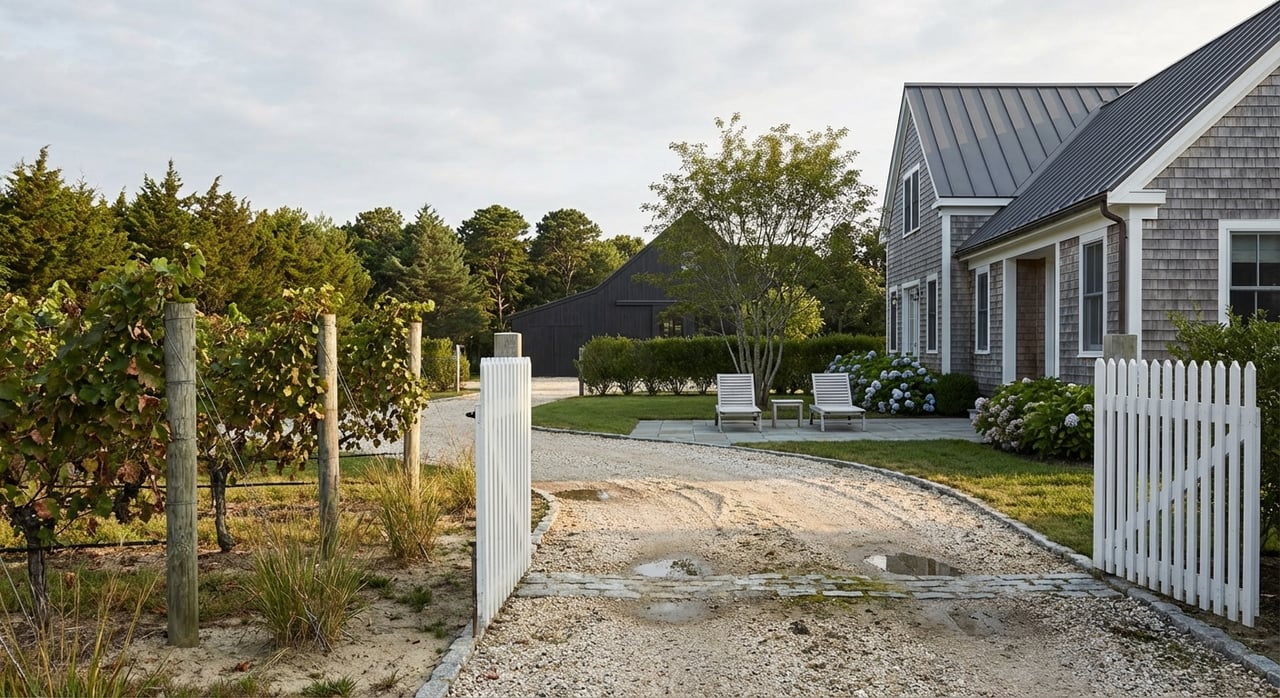
The North Fork’s signature landscape is its patchwork of vineyards and fields. Many properties are working farms or former farm buildings repurposed as tasting rooms and event spaces. On weekends, agritourism shapes traffic patterns and feeds a vibrant small-business economy.
Land preservation programs protect open space and farmland. These policies influence development and can limit subdivision in certain areas, which helps maintain the region’s rural character over time.
Beaches, harbors, and boating
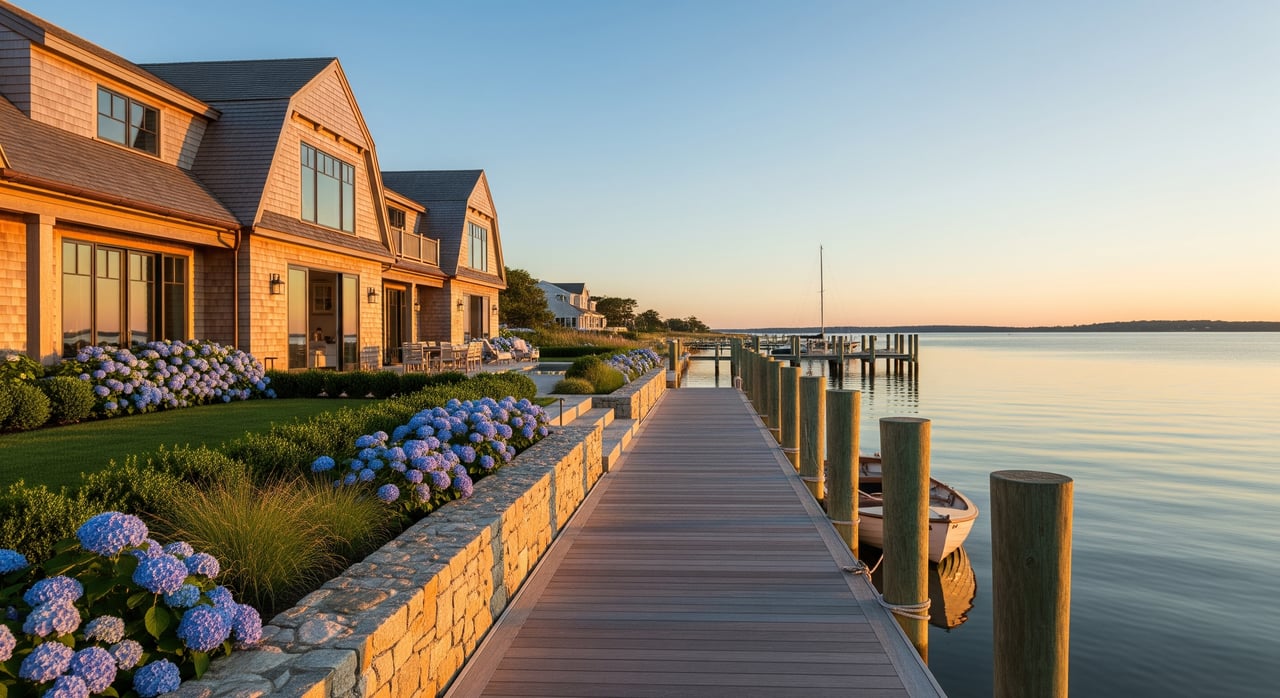
Shorelines vary from Long Island Sound beaches to Peconic Bay coves and tidal creeks. Residents enjoy boating, fishing, clamming, kayaking, and birding. Marinas fill up in summer, and the water becomes the social center for many.
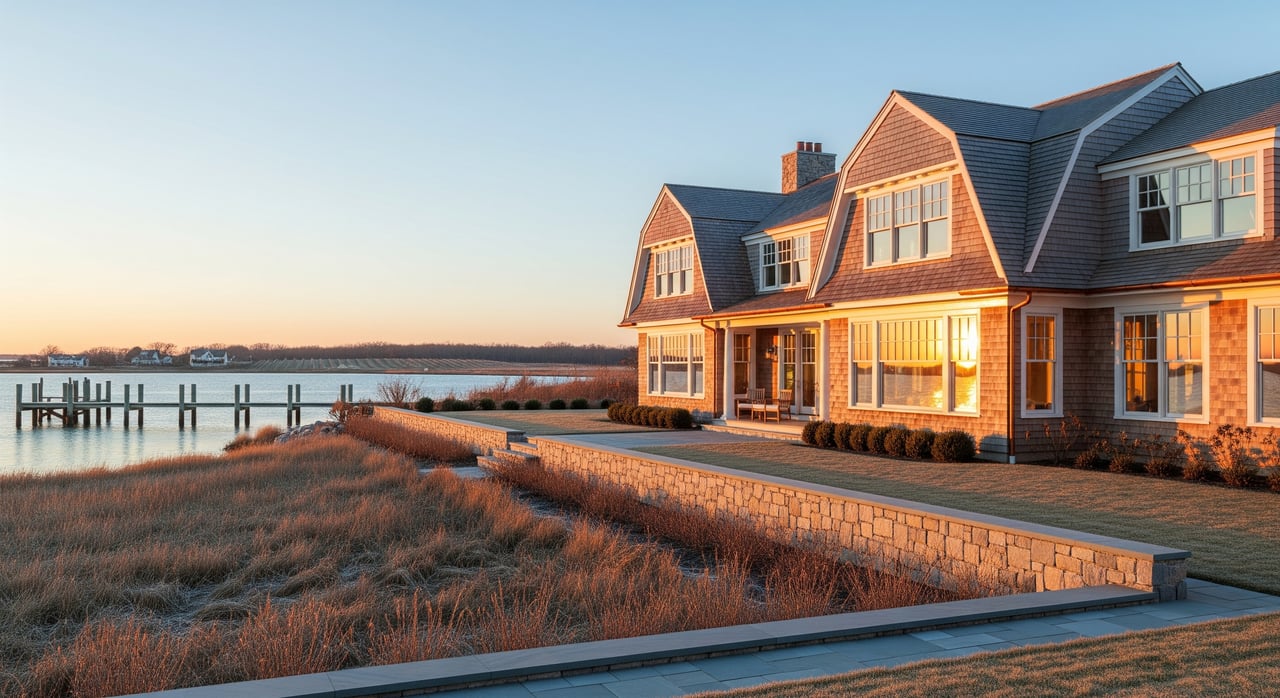
If you are considering a waterfront purchase, plan for environmental due diligence. Low-lying areas can face storm surge exposure and flood risk, so elevation, flood zones, and insurance are common parts of the conversation.
Housing styles and neighborhoods
Common home types
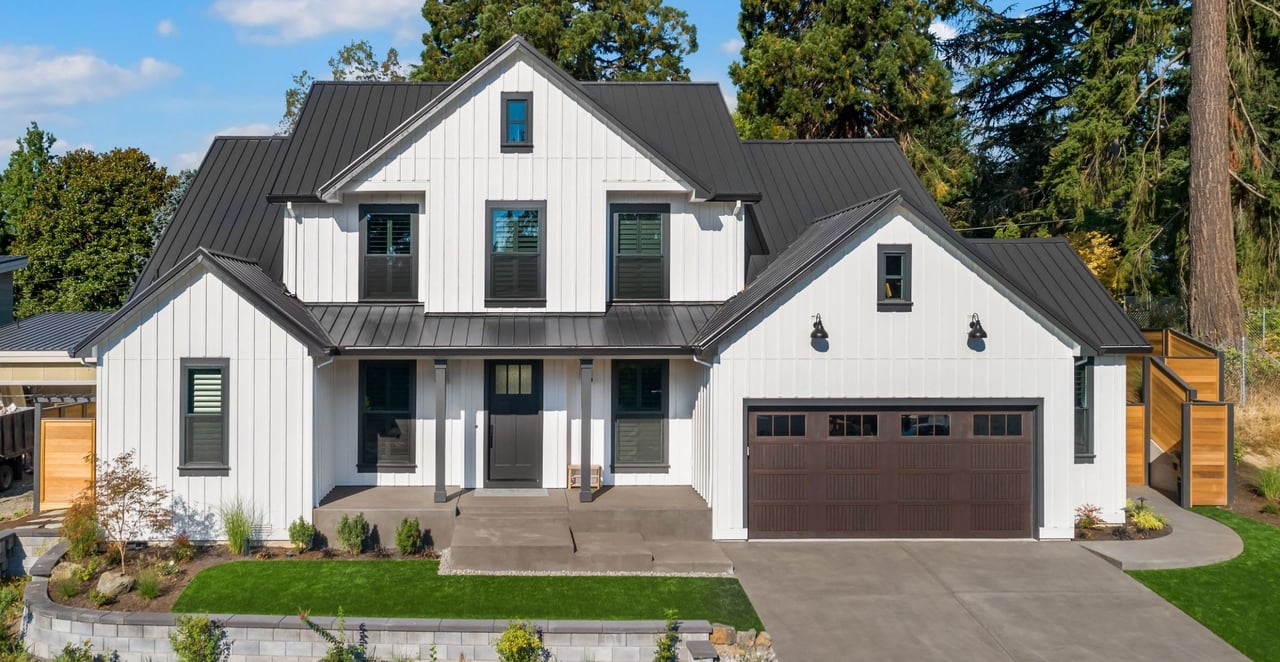
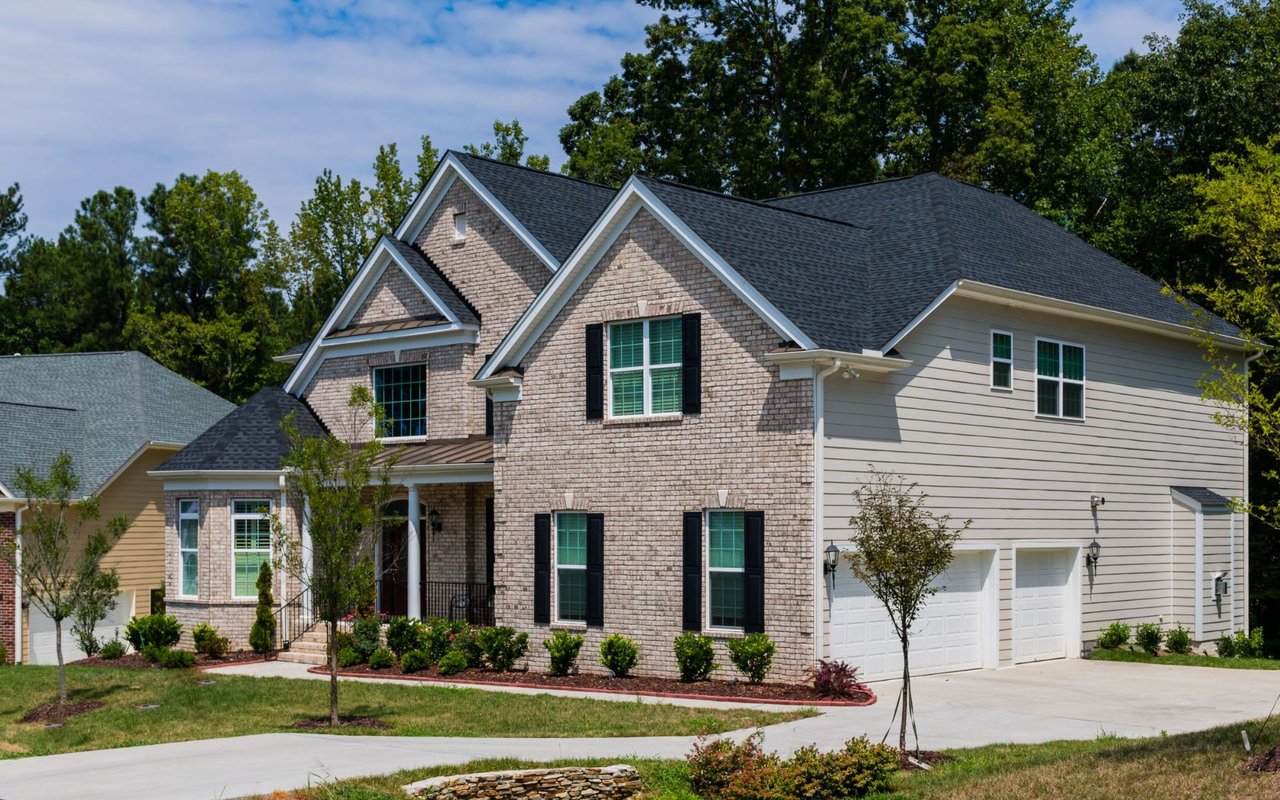
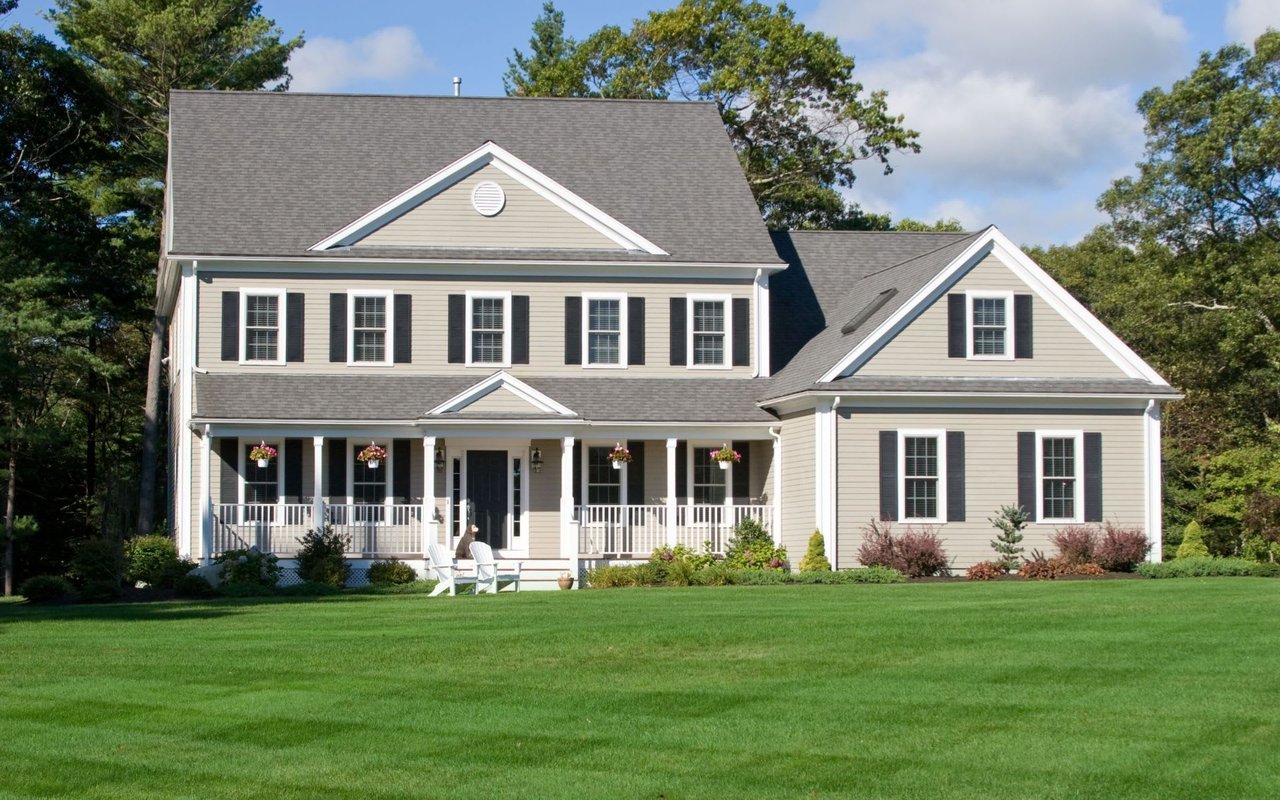
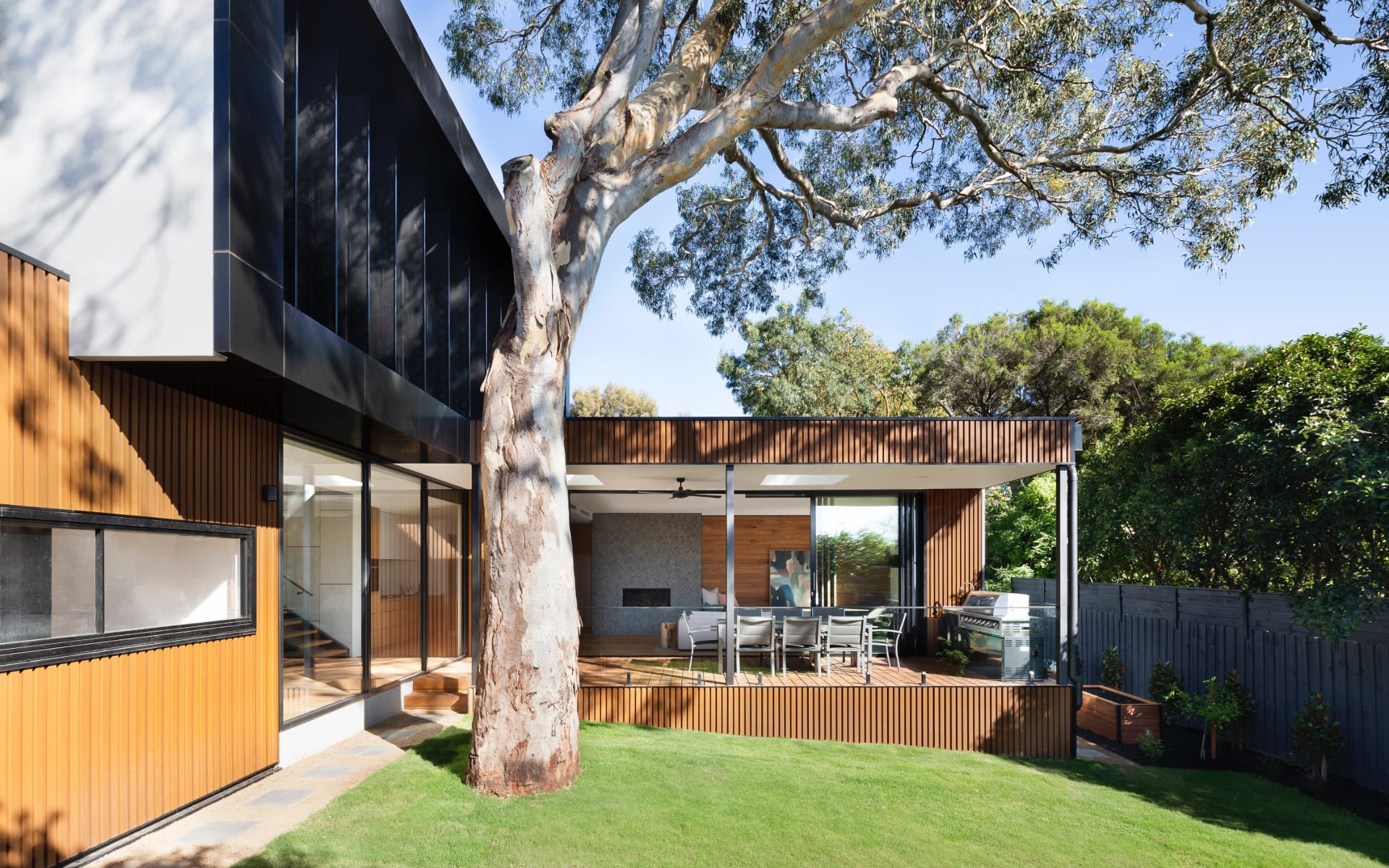
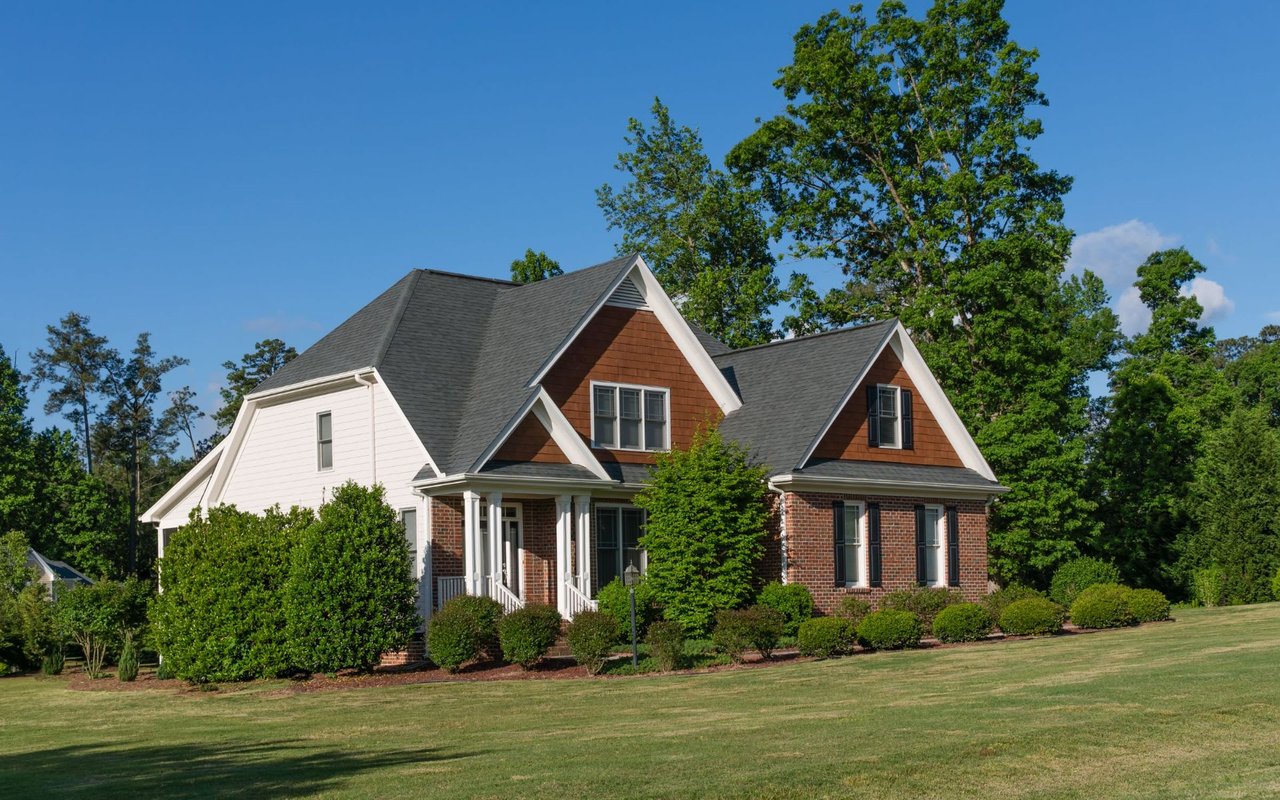
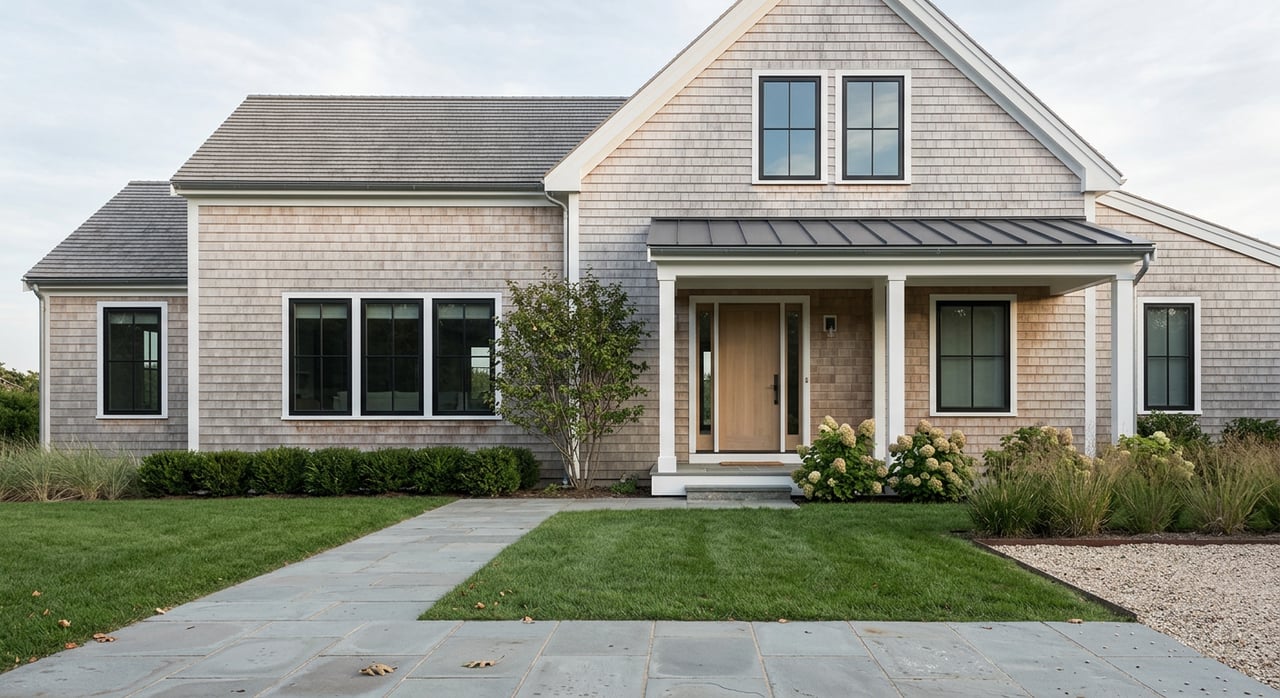
You will see classic Cape Cods, colonials, farmhouses, and ranches throughout the North Fork, along with historic cottages near village cores. Newer custom homes appear on larger parcels, and converted barns or outbuildings add character in farm areas. Waterfront homes range from modest cottages on creeks and bays to higher-priced harborfront properties.
Lot sizes and settings
Lots are generally larger than suburban neighborhoods closer to the city. Many homes sit on half-acre or multi-acre parcels, particularly in rural sections. Village homes may be closer together, while farm-country properties offer more space and privacy.
Market patterns to expect
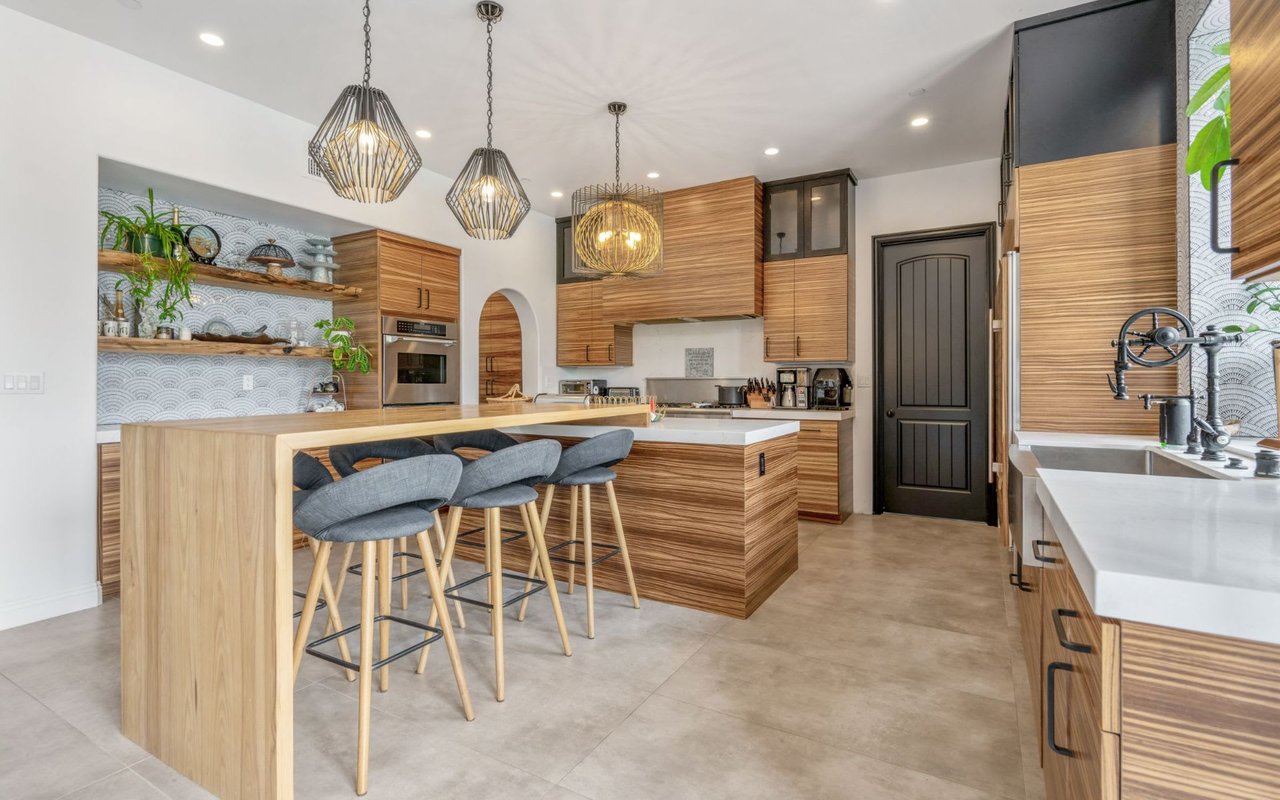
The buyer mix usually includes full-time residents, second-home buyers from the city, and investors who rent seasonally. Listings tend to surge in spring and summer. Village-core and waterfront addresses often command premiums, while inland homes in farm country are relatively more affordable. Many older homes have been thoughtfully updated but still come with smaller footprints, so buyers often plan for upgrades to systems like insulation, HVAC, and septic.
Seasons shape your routine
Summer energy
Summer brings a visible population bump. Second-home owners, short-term renters, and winery visitors create a lively scene with more traffic and extended business hours. Calendars fill with outdoor events, and local beaches and marinas are in full swing.
Winter simplicity
In winter, you will experience a quiet, small-town pace. Many businesses reduce hours on certain weekdays, and social life shifts to local gatherings, schools, and volunteer groups. For many year-round residents, this is when the strongest sense of community shows up.
Getting around and commuting
Rail and ferry basics
The Long Island Rail Road’s Greenport branch serves the North Fork, including stops like Mattituck. Commute times to Manhattan are longer than in western Suffolk or Nassau, so many professionals use hybrid work schedules. The car ferry at Orient Point connects you to Connecticut for regional travel and weekend getaways.
Car-first living
You will likely rely on a car for errands and for moving between villages. Public transit is available, but day-to-day convenience comes from driving. Parking is generally manageable outside of peak summer weekends, when visitor traffic rises.
Test your commute
Before you decide, try your likely routine.
- Time an early-morning drive to your station or ferry.
- Ride the LIRR during a weekday morning and early evening to gauge door-to-door timing.
- Drive common routes between your preferred village and Riverhead to understand weekend traffic.
Everyday services and utilities
Groceries, healthcare, and schools
Village centers offer basic groceries and pharmacies, with specialty shopping in regional hubs. Urgent care and primary care options are local, while hospitals and larger medical centers are in nearby larger towns. Public school districts have strong local identities, and boundaries vary by town. Review official district information and performance reports before choosing a neighborhood.
Internet and cell coverage
Broadband availability varies by address, with a mix of cable, DSL, and some fiber options. Mobile reception can be spotty in rural pockets. If you work remotely, verify service at a specific property and consider a backup plan for connectivity.
Septic, flood, and permits
Much of the North Fork relies on septic systems, so inspections and potential upgrades are important due diligence items. Many coastal parcels sit in FEMA flood zones, and flood insurance may be required for mortgages. Zoning rules, farmland protections, and short-term rental ordinances differ by town. Confirm the latest regulations early in your search.
Is the North Fork right for you?
Choose the North Fork if you value outdoor space, a slower pace, and local food and wine culture. You will trade shorter commutes and late-night options for beaches, trail walks, and quiet evenings. This is not the South Fork, and it is not a nightlife destination year-round. It is a place where neighbor networks matter, and where seasonality sets the rhythm.
If that balance sounds right, you will likely feel at home quickly. If you want maximum convenience and a fast commute, visit in different seasons and at different times of day before you commit.
A practical pre-move checklist
Use this list to stress-test your fit and avoid surprises.
- Visit in both July and January to experience crowds, traffic, and winter quiet.
- Do a full commute dry run by car, rail, or ferry during peak hours.
- Confirm broadband providers and speeds at a specific address, and test mobile coverage on site.
- Pull the FEMA flood map for the area you are considering, then discuss insurance needs.
- Schedule a septic inspection and learn local upgrade requirements.
- Review town zoning and short-term rental rules for your plans.
- Plan your shopping routines, from weekly groceries to occasional big-box runs.
- Walk the village center you like to test walkability and parking.
- Budget for Suffolk County property taxes and routine home maintenance.
- If you are considering a waterfront or farm-adjacent property, map environmental buffers and preservation zones.
Work with a local advisor
Finding the right North Fork home is part lifestyle, part logistics. You will balance vineyard charm with commute realities, and beach days with winter simplicity. A local, concierge-style approach helps you identify the right village, evaluate seasonality, and plan upgrades like septic, HVAC, or flood measures.
If you want staging-forward presentation to sell or an editorial, lifestyle lens to buy, connect with a North Fork specialist who understands both story and structure. For guidance that pairs refined marketing with clear, step-by-step support, reach out to Maria McBride-Mellinger. She will help you align your search or sale with your real life.
FAQs
How long is the commute from the North Fork to NYC?
- Commutes are longer than from western Suffolk or Nassau, and many workers use hybrid schedules or accept total door-to-door times that can exceed two hours depending on the route and season.
What is the difference between summer and winter on the North Fork?
- Summer brings more people, traffic, events, and extended hours, while winter shifts to a quiet small-town rhythm with reduced business hours and strong community ties among year-round residents.
Are groceries, medical care, and schools close by?
- Village areas offer basic groceries and pharmacies, urgent care and primary care exist locally, hospitals are in nearby larger towns, and school districts vary by location, so verify district boundaries and options for each property.
What home styles and lot sizes are common?
- You will see Cape Cods, colonials, farmhouses, ranches, and historic cottages, with larger lots than typical suburban neighborhoods and a mix of waterfront cottages and higher-priced harborfront properties.
What should I know about flood risk and insurance?
- Many coastal parcels are in FEMA flood zones, so elevation and flood insurance are common considerations for waterfront purchases, and lenders may require coverage.
Is the North Fork a good place for remote work?
- It can be, but broadband and mobile coverage vary by address, so confirm providers, test speeds in person, and plan a backup for critical workdays.