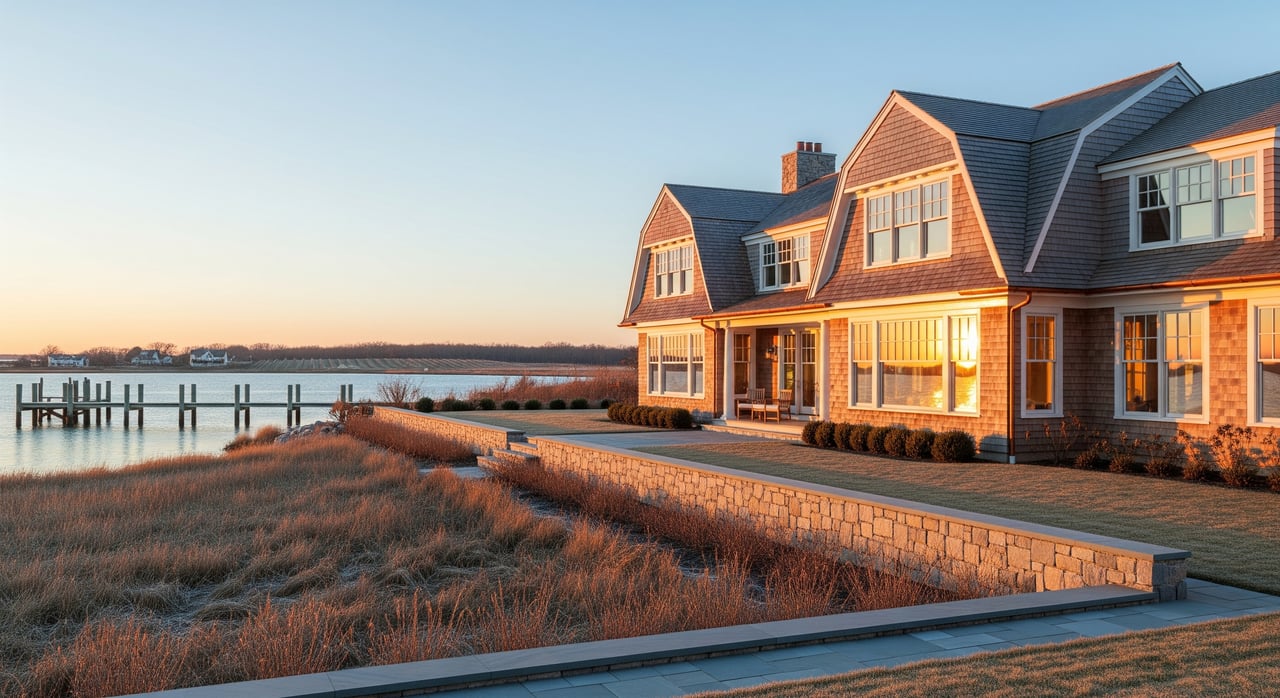
Is winter really the right time to check your home’s value in Southold? If you’re thinking about a spring move or weighing whether to list sooner, getting clear now can save you time and stress later. You want a pricing plan that reflects seasonality, the nuances of the North Fork, and what buyers notice most in colder months. In this guide, you’ll learn how winter affects value, what a tailored CMA includes, how to prepare your home, and whether it makes sense to list now or wait for spring. Let’s dive in.
Southold winter market at a glance
Southold sits on Long Island’s North Fork, where village life, vineyards, farm acreage, and waterfront living shape demand. The market is made up of both year‑round residents and second‑home buyers, so value can vary street by street and shoreline by shoreline. In winter, activity usually slows, but buyers who are out looking are often serious and ready to act.
Seasonality matters, but it does not define your outcome. Homes that are move‑in ready, well presented, and priced to current comps can sell well in colder months. For unique properties, especially waterfront and view homes, motivated buyers sometimes plan off‑season purchases to be ready for summer.
To stay grounded in today’s conditions, your CMA should draw from recent closed sales and active competition in Southold and nearby hamlets like Mattituck, Cutchogue, Greenport, Peconic, and Orient.
How CMAs determine value now
A strong winter CMA blends comparable closed sales with real‑time signals from active and pending listings. It should also consider withdrawn or expired listings, which can reveal where buyers resisted price.
Key CMA ingredients:
- Comparable closed sales that match location, size, condition, and amenities.
- Pending and active listings to gauge supply and demand.
- Withdrawn and expired listings to spot price ceilings.
- Adjustments for lot size, recent renovations, heating systems, garages, finished lower levels or attics, and any FEMA/coastal factors.
- Market time and seller concessions in the comps.
Winter adjustments to expect:
- A wider time window for comps when inventory is thin, with clear adjustments for any market shifts over the past 6 to 12 months.
- Extra weight on interior systems and energy updates because buyers notice warmth, mechanicals, insulation, and windows during cold‑weather showings.
- A distinction between seasonal softness and fundamental value, so you position for spring strength even if showings are lighter today.
If your property is waterfront or acreage, your CMA should prioritize very specific comparables. For waterfront, that includes frontage type, water depth, dock and bulkhead condition, elevation, and flood insurance impacts. For vineyard or farm parcels, land use and potential income must align across comps.
Winter prep that boosts value
Winter is a chance to prove your home is well cared for and comfortable year‑round. Small steps now can shorten market time and firm up your price.
Pre‑listing technical checks:
- Schedule a pre‑listing inspection to address obvious issues before buyers find them.
- Service and document heating systems, boilers, oil or gas tanks, and electric panels.
- If coastal, gather records on bulkhead or seawall condition, erosion mitigation, and flood insurance history.
- Compile permits, warranties, and any septic system reports.
Exterior and curb appeal:
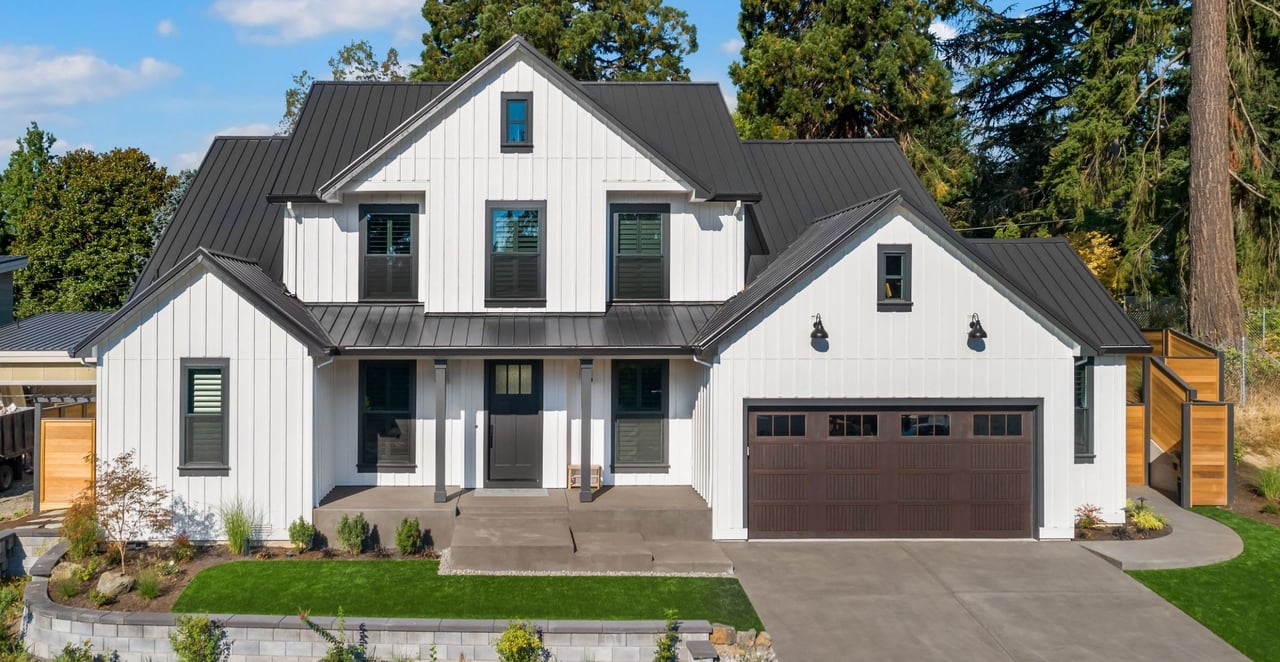
- Keep walkways and driveways clear and safe. Ensure exterior lighting is bright and consistent.
- Trim hedges and refresh visible mulch for a tidy look.
- If waterfront, make sure docks and shoreline areas are safe and presentable for showings.
Interior staging and imaging:
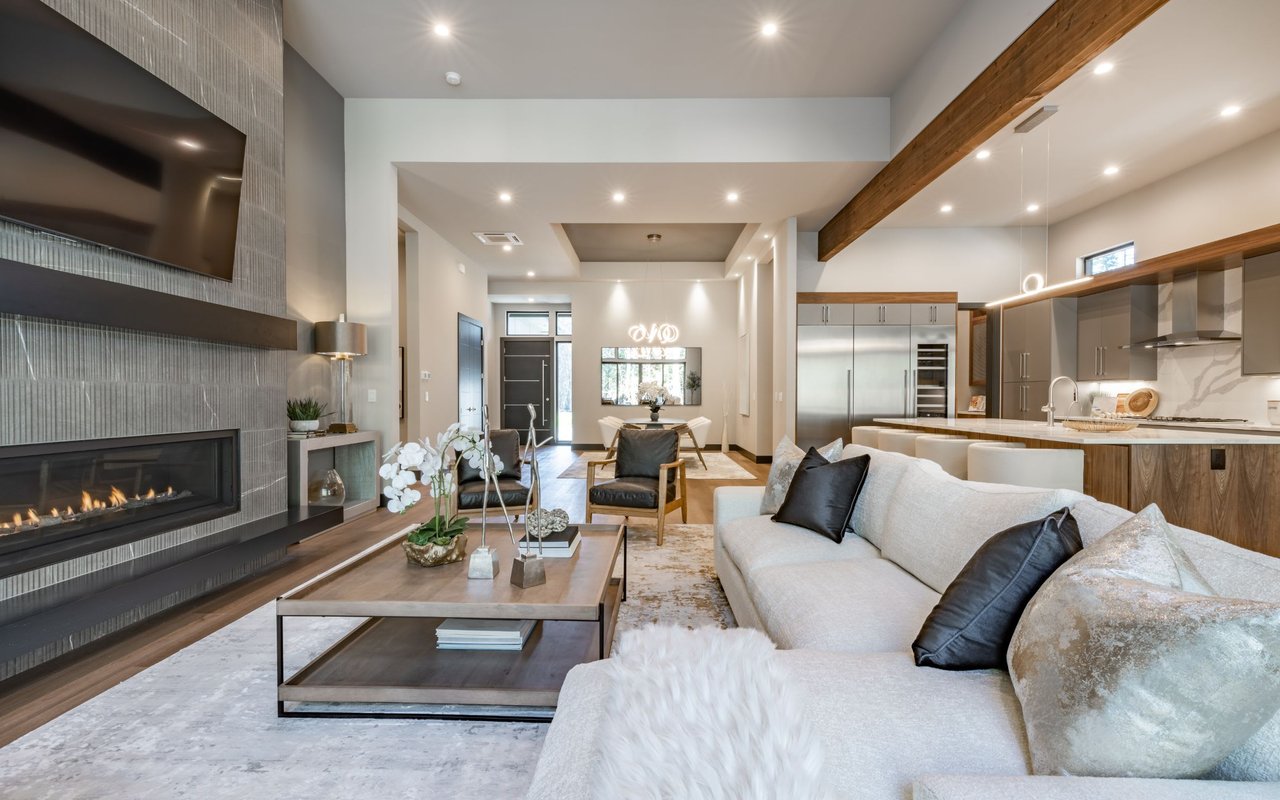
- Emphasize warmth and light. Set a comfortable thermostat and use layered lighting.
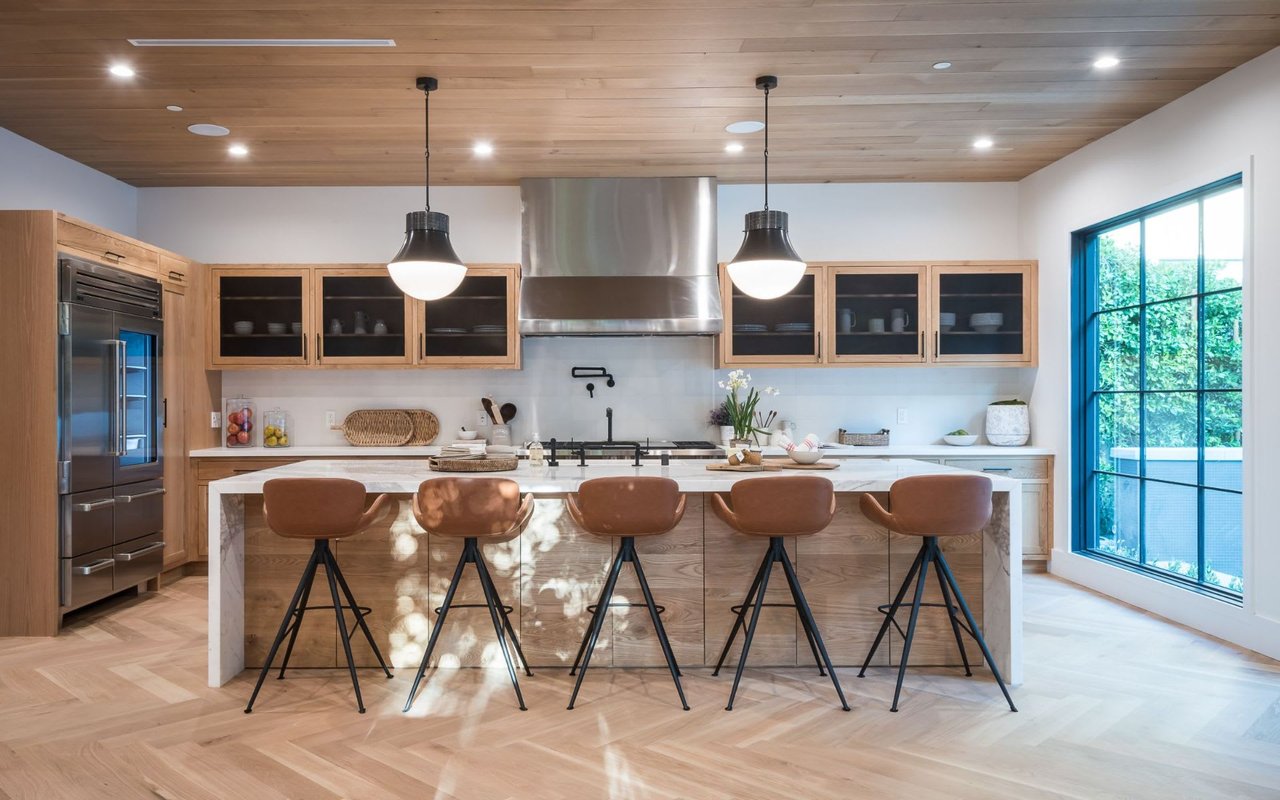
- Showcase your most livable rooms as destination spaces, like the kitchen and main living area.
- Use seasonal touches sparingly and avoid distracting holiday decor.
- Invest in high‑quality photos on a bright winter day and add a 3D or video tour to reach out‑of‑area buyers.
Marketing that resonates in winter:
- Highlight features that matter now, such as efficient heating, upgraded insulation or windows, a garage or workspace, and a finished lower level.
- Use floor plans, virtual tours, and thoughtful copy that connects the home to local lifestyle assets unique to Southold’s villages, vineyards, and shoreline.
Pricing: list now or wait
There is no single right answer. Your timeline, the property’s condition, and local competition should guide your move.
When listing now makes sense:
- You want to avoid a crowded spring market and stand out to motivated winter buyers.
- Carrying costs are significant, or the home is vacant and ready.
- Similar homes nearby show limited upcoming competition.
When waiting helps:
- You plan to complete repairs, updates, or staging that will materially lift your price.
- You prefer to debut with peak spring photography and higher buyer traffic.
Pricing approaches for winter:
- Market‑value list price with strong marketing. This invites serious buyers and keeps room for negotiation.
- Slightly aggressive pricing to spark early activity. This can work in low‑inventory niches but should be weighed carefully.
- Prep‑now, spring‑debut plan with coming‑soon marketing, bright‑day photography, and vendor prep so you hit the ground running.
Waterfront specifics that matter
Waterfront value is granular. Your CMA should address the exact nature of your water access and protections.
What buyers ask first:
- Type of frontage and access, including water depth and exposure to tide or sound.
- Bulkhead or seawall condition, permits, and any recent shore protection work.
- FEMA flood zone designation, elevation certificates, and the property’s flood insurance profile.
Having clear, organized documentation builds confidence and helps maintain price during negotiations.
Estate sales: clear steps
If you are selling as an executor or representative, plan for a few extra steps so the sale moves smoothly.
What to confirm:
- Your authority to sell, including letters testamentary or other required documents.
- Required property disclosures and any co‑owner or court approvals.
- Whether you need a formal appraisal for probate or tax purposes, in addition to a market CMA.
Value strategy for estates:
- Decide between speed and maximum proceeds. An as‑is list may be fastest, but light repairs and targeted staging can often improve net results.
- Consult a tax professional about basis, date‑of‑death valuation, and any estate or inheritance considerations.
Your next steps
- Request a tailored CMA that explains which comps were chosen, how adjustments were made, and how seasonality informs the price and timeline.
- Schedule a pre‑listing inspection and address any safety or mechanical concerns.
- Choose your path: list now with winter‑focused marketing or use the season to prep for a standout spring launch.
- Gather documentation, including permits, warranties, flood or septic records, and recent utility or service history.
- Book professional photography and a 3D tour on a bright day, and begin pre‑marketing to qualified buyers and local brokers.
Ready to pinpoint your winter value and map a clear plan to spring? Reach out to discuss a bespoke CMA, staging strategy, and timing that fit your goals. Connect with Maria McBride-Mellinger to get started.
FAQs
Will listing in winter hurt my price in Southold?
- Not necessarily. Winter may reduce foot traffic, but motivated buyers are active year‑round. Smart pricing, strong presentation, and targeted marketing drive results.
How many comps should be in my CMA?
- A robust CMA includes several recent closed sales plus pending and active listings. In thinner markets, slightly older comps may be used with clear adjustments.
Should I get a formal appraisal or a CMA?
- Get a formal appraisal if you need it for lending, probate, or tax purposes. For pricing and marketing, a CMA paired with a pre‑listing inspection is usually sufficient and faster.
What winter prep has the biggest impact?
- Service the heating system, brighten lighting, declutter, and highlight energy updates and key living spaces. Professional photos and a 3D tour also expand your buyer pool.
How do waterfront factors affect my value?
- Frontage type, water depth, dock and bulkhead condition, and flood zone status all influence price and insurance costs. Clear documentation supports value and buyer confidence.