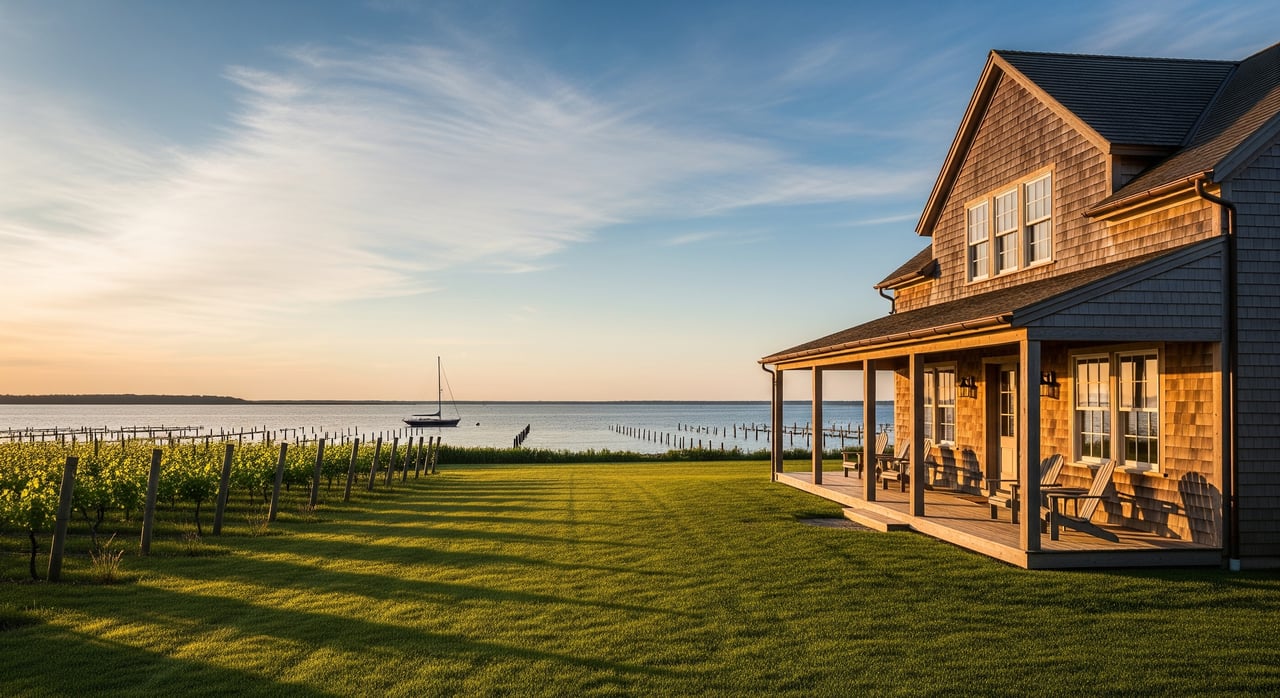
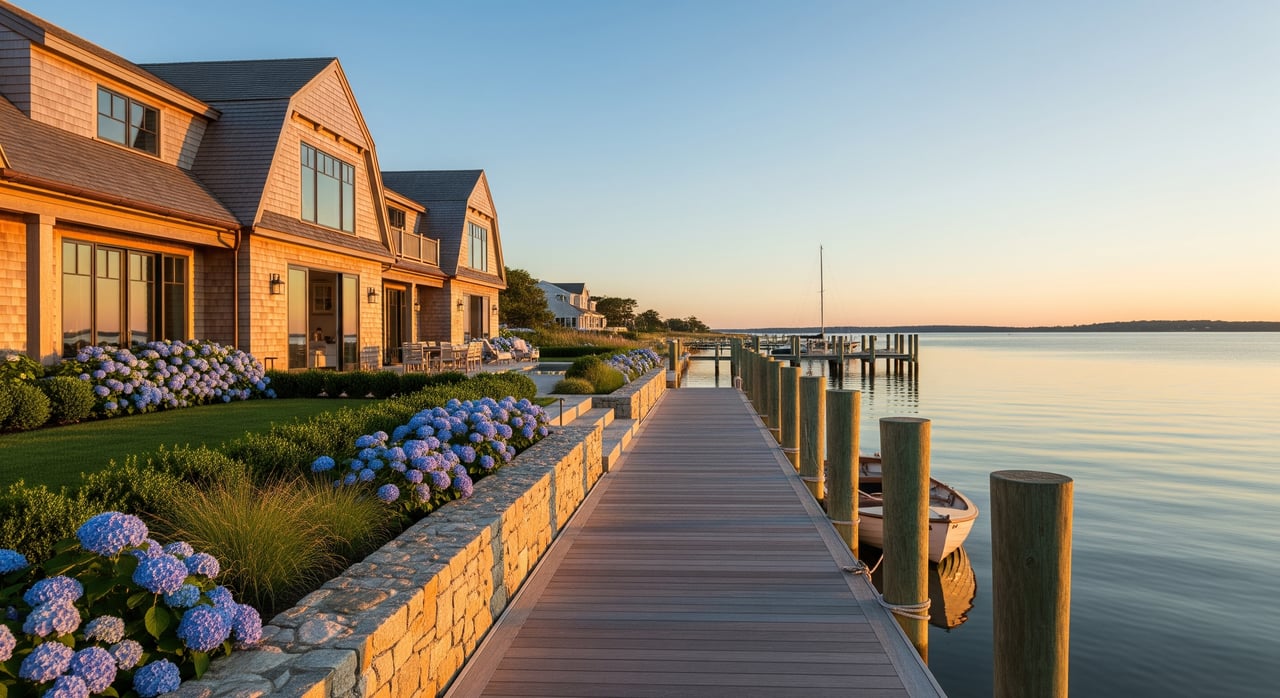
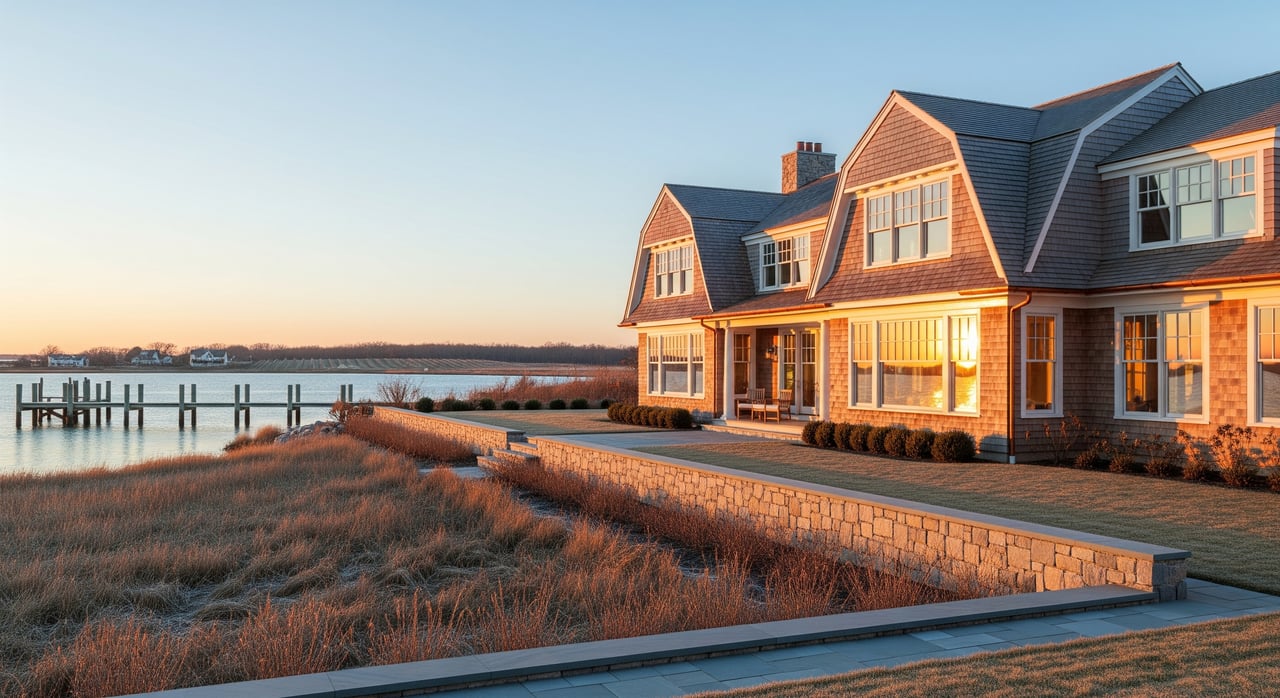
Salt air, harbor views, and a private spot for your boat can make a Greenport home feel like a dream. Waterfront also comes with extra homework. Boundaries shift with tides, docks need permits, and insurance rules are not always simple. This guide gives you the practical, step‑by‑step path to shop with confidence, from surveys and bulkheads to approvals, flood coverage, and financing. Let’s dive in.
Start with boundaries and surveys
Waterfront ownership begins with knowing where the land actually ends. In coastal Suffolk County, private property often extends to a tidal line such as mean high water, but exact boundaries depend on your title documents and local standards. Shorelines can change through accretion or erosion, and that can affect access and structures over time.
Order a current ALTA/NSPS or boundary survey before you close. It should clearly show mean high and mean low water lines, the location and condition of bulkheads and docks, and any easements or rights of way. Ask the surveyor to map any coastal erosion or floodplain extents shown for the parcel. This single document supports nearly every other decision you make.
A thorough title search matters just as much. Review deeds, recorded easements for beach access or utilities, and any grants that limit riparian‑type rights. If there is a bulkhead or beach, confirm whether it sits entirely on private land or within a municipal easement or public right of way. This is how you avoid boundary disputes and unexpected maintenance duties.
Why push for a modern, stamped survey? It defines setback measurements and building envelopes, which dictate whether a future garage, bulkhead replacement, or dock change needs variances. Lenders and insurers rely on it for elevation certificates and underwriting. In the Greenport area, confirm early which local office handles your project type. You will often start with the Village of Greenport Building and Zoning Department and, depending on location or scope, the Town of Southold for zoning, harbor rules, and Local Waterfront Revitalization Program guidance. Suffolk County and New York State also have overlapping roles for coastal resources.
Bulkheads, docks, and shoreline structures
Waterfront protection and access take different forms, each with a lifecycle and maintenance profile. Bulkheads and seawalls can be timber, vinyl, concrete, or stone revetments. Timber is typically less expensive upfront but may last only 10 to 30 years depending on exposure. Concrete and stone cost more and usually last longer. In some settings, living shoreline methods that use natural materials and vegetation may be encouraged.
What to inspect before you buy
Look closely at shoreline structures during your inspection period. Red flags include:
- Rot or missing sheathing, loose or failing pilings, bowing walls, and signs of scour or undermining.
- Soil settling and poor drainage behind the bulkhead that suggest water is moving through the wall.
- Patchwork repairs that hint at deeper structural problems.
- Dock issues such as corroded fasteners, damaged floats, worn decking, or evidence of marine wood borers.
- Submerged obstructions, shoaling in access channels, or debris that could affect boat draft.
- Electrical and water lines at the dock that need safety review.
A marine‑experienced structural engineer or qualified marine contractor can provide a focused bulkhead and dock assessment. If moorings are part of the picture, ask for a marine survey that evaluates capacity, condition, and safe depths.
Maintenance, replacement, and costs
Replacing a bulkhead is a significant project that often triggers formal permitting and engineered design. Expect to meet standards for wave action, erosion control, and long‑term stability. Docks and pilings will need routine repairs or periodic replacement due to corrosion and biological wear.
Responsibility for upkeep usually sits with the owner, but read your title documents and local code carefully. Some properties include shared or municipal maintenance arrangements. Clarifying this before you buy prevents future surprises.
Environmental and climate factors
Coastal hazards in the Greenport area include storm surge, wave action, and sea level rise. These risks shape design choices now and replacement costs later. Intertidal areas, tidal wetlands, and wildlife habitat protections can limit the type of work allowed along the shore. In some locations, living shoreline solutions may be a permitted alternative that reduces long‑term maintenance. Your team should weigh site conditions, regulations, and lifestyle goals before choosing a path.
Permits and who regulates what
Most waterfront projects involve local, state, and federal review. The typical sequence is to verify local zoning, building, and harbor rules first, then check New York State requirements, then confirm whether federal authorization is needed. Plan ahead, because timing can run from weeks to many months depending on scope.
Typical approvals to expect
- Village of Greenport and Town of Southold: Building permits for shoreline structures and docks, zoning approvals and setbacks, and possible variances. Local harbor or marine office rules often govern docking, mooring fields, and transient use. If your work affects coastal resources, an LWRP consistency review may be part of the process.
- Suffolk County: Reviews can include onsite wastewater and septic changes, and sometimes stormwater management for properties with dock utilities or shoreline work.
- New York State: The NYS Department of Environmental Conservation handles tidal wetland permits and water quality certifications for dredging or discharge under Section 401 of the Clean Water Act. The NYS Department of State oversees the Coastal Management Program and coastal consistency review for certain state or federal actions in the coastal area.
- Federal: The U.S. Army Corps of Engineers (New York District) oversees permits for work in navigable waters under Section 10, and for discharge of dredged or fill material under Section 404. Large projects may also undergo NEPA screening.
Practical timing and strategy
Many jurisdictions make a clear distinction between minor repairs and substantial replacement or new construction. Repairs can be simpler. New bulkheads, dock expansions, and dredging are more involved. Dredging often requires sediment testing and disposal plans, which adds time.
Permits can come with conditions, such as seasonal work windows to protect fish spawning or habitat. Build review time into your budget and schedule, especially if you plan to start work soon after closing. Pre‑purchase conversations with local offices can save months and help you avoid designs that will not pass review.
Flood risk, insurance, and financing
Flood and wind coverage are central to waterfront ownership. FEMA Flood Insurance Rate Maps determine whether a property sits in a Special Flood Hazard Area. If you use a federally backed mortgage and the home is in zones such as AE or VE, your lender will require flood insurance. VE zones indicate coastal high hazard with wave action, which can affect both coverage and cost.
An elevation certificate is often needed to properly rate a National Flood Insurance Program policy and is commonly required by lenders. Private flood insurance options exist in many cases, and coverage features vary. Standard homeowners policies exclude flood, and many carriers apply separate wind or hurricane deductibles in coastal areas. Premiums for waterfront homes tend to be higher, and some insurers limit availability or adjust deductibles based on market conditions.
You should also confirm whether a property is part of any mitigation or buyout programs. While not common, these programs can shape future options and should be understood before you commit.
Inspections to order for peace of mind
- Structural inspection by a marine‑savvy engineer or contractor focused on the bulkhead, pilings, and retaining structures.
- Marine survey of existing docks, floats, and moorings, including power and water service.
- Environmental screening if you plan shoreline work, including wetland delineation or a Phase I environmental site assessment where tanks or contamination are suspected.
- Septic inspection and capacity check through Suffolk County processes, especially if you intend higher occupancy or short‑term rental use.
- Elevation survey to support flood insurance pricing and to understand the home’s relationship to the base flood elevation.
Financing considerations
Lenders will verify flood zone status and may require an elevation certificate and proof of adequate flood insurance before closing. Planned changes that affect physical risk, such as raising grades or replacing a bulkhead, can influence underwriting and conditions. Appraisers look at erosion exposure, dock and bulkhead condition, and potential repair costs. In some cases, appraisers and lenders will ask for permits or engineer reports to support value and risk.
Your Greenport due diligence checklist
Follow this order to keep your process efficient:
- Engage a waterfront‑experienced real estate agent and share your plans for boating, swimming, or future improvements.
- Order a current ALTA/NSPS survey showing tidal datum lines, bulkhead and dock locations, and any coastal erosion or floodplain extents.
- Secure a full title commitment and review easements, rights of way, covenants, and recorded agreements that affect shoreline use or moorings.
- Commission specialized inspections:
- Marine structural review of bulkhead and shoreline by an engineer or qualified marine contractor.
- Dock and mooring survey, including utilities.
- Septic inspection and discussion with Suffolk County Department of Health Services if changes are likely.
- Phase I environmental screening when tanks or nearby marina uses suggest risk.
- Assess flood risk and insurance:
- Verify FEMA flood zone and obtain an elevation certificate if needed.
- Get quotes for NFIP and private flood, plus wind coverage, and confirm typical deductibles.
- Pre‑check permits:
- Speak with the Village of Greenport Building and Zoning Department and the Town of Southold about local rules and harbor considerations.
- Ask NYSDEC and the U.S. Army Corps of Engineers whether prior shoreline permits exist and whether approvals transfer.
- Request records of past shoreline work, including as‑built drawings, permits, and maintenance logs.
- Confirm access and utilities, including any municipal easements, shared beach agreements, HOA rules, and rights to use mooring fields.
Documents to request from the seller
- Previous permits and approvals for bulkheads, docks, dredging, or shoreline stabilization.
- As‑built drawings and engineering reports.
- Maintenance records for bulkheads, docks, and moorings.
- Any flood elevation certificates and prior insurance policies or claims related to shoreline structures.
How a local advisor helps
Buying waterfront in Greenport is about matching lifestyle to a specific shoreline, then managing details with care. You want an agent who knows village blocks and harbor rules, understands how to sequence surveys, permits, and inspections, and can connect you with the right marine and insurance professionals. That combination keeps your search inspiring and your process steady.
With a North Fork focus and concierge client care, Maria pairs neighborhood intelligence with calm, detailed execution. From staging‑first thinking about outdoor spaces to introductions to surveyors, engineers, and local permitting contacts, you get a boutique approach backed by a national platform. If waterfront is your next chapter, the right plan makes it seamless.
Ready to explore Greenport waterfront with clarity and confidence? Connect with Maria McBride‑Mellinger to start a focused search and build your due diligence plan.
FAQs
How do property lines work along the water in Greenport?
- Property boundaries commonly extend to a tidal line such as mean high water, but exact limits depend on title documents and surveys. Always verify with a current ALTA/NSPS survey and a full title review.
Can I install or replace a dock right after closing in Greenport?
- Not always. Local building and harbor approvals, New York State tidal wetland permits, and possibly U.S. Army Corps authorization may be required. Start permit conversations before you buy.
Do I need flood insurance if I pay cash for a Greenport home in an AE or VE zone?
- Lenders require flood insurance in Special Flood Hazard Areas for federally backed loans. Cash buyers are not forced by a lender, but flood insurance is strongly recommended for waterfront exposure.
What hidden costs surprise new waterfront owners in Greenport?
- Bulkhead replacement, dredging, routine dock maintenance, higher flood and wind premiums, and permit‑related mitigation or conditions can add to annual and long‑term costs.
Who maintains a bulkhead near a public right of way?
- Maintenance usually falls to the owner, but bulkheads can be within municipal easements or shared arrangements. Confirm responsibility through your title documents, survey, and local code.
What is an elevation certificate and why does it matter?
- It is a survey document that shows your building’s elevation relative to the base flood elevation. Insurers and lenders use it to set or verify flood insurance requirements and pricing.