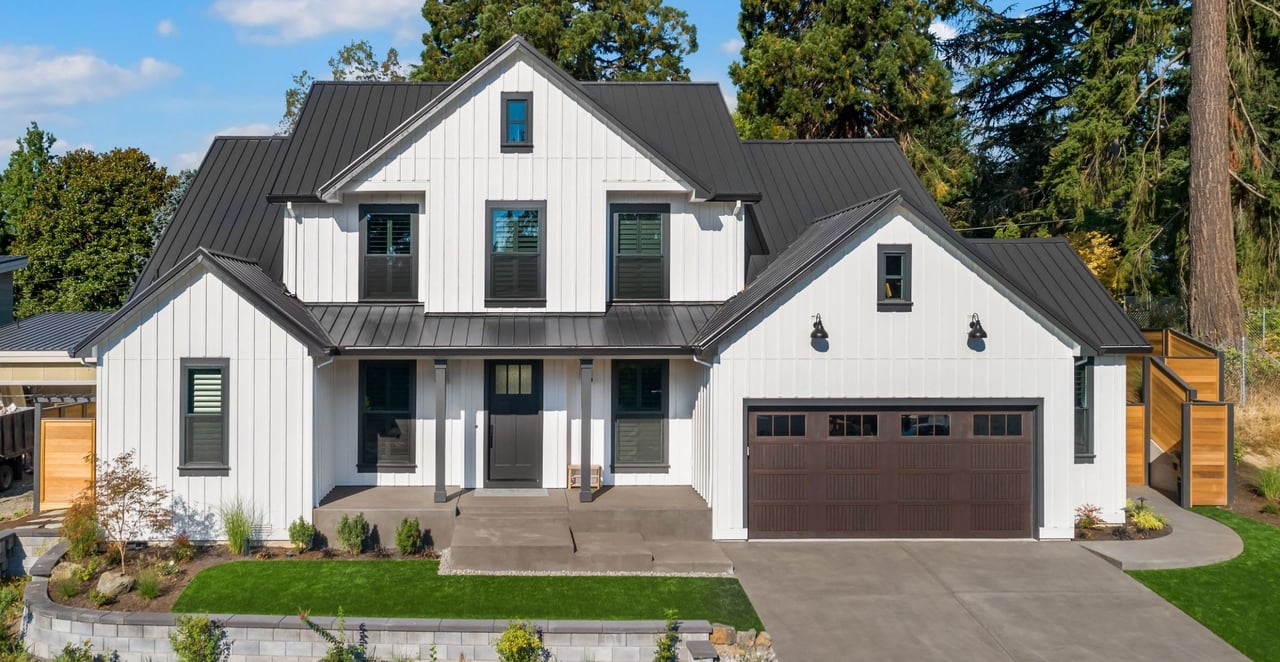
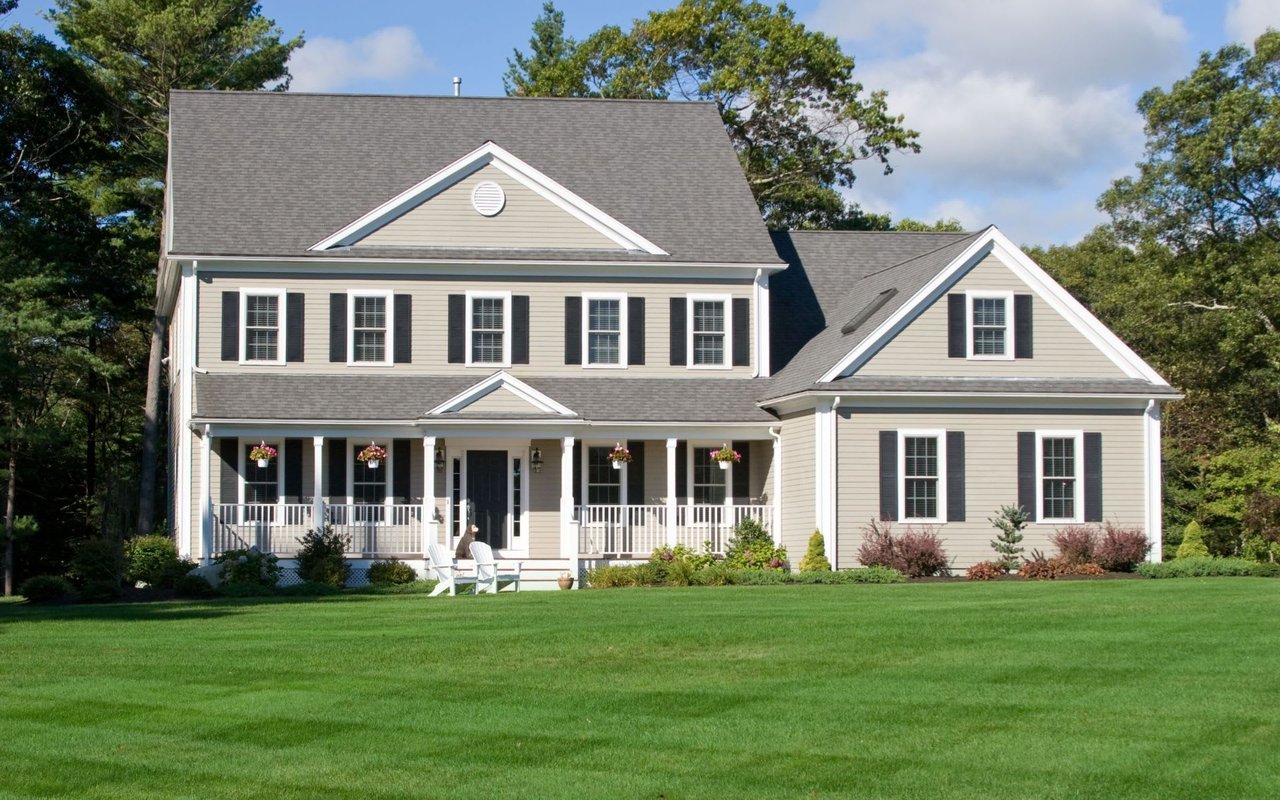
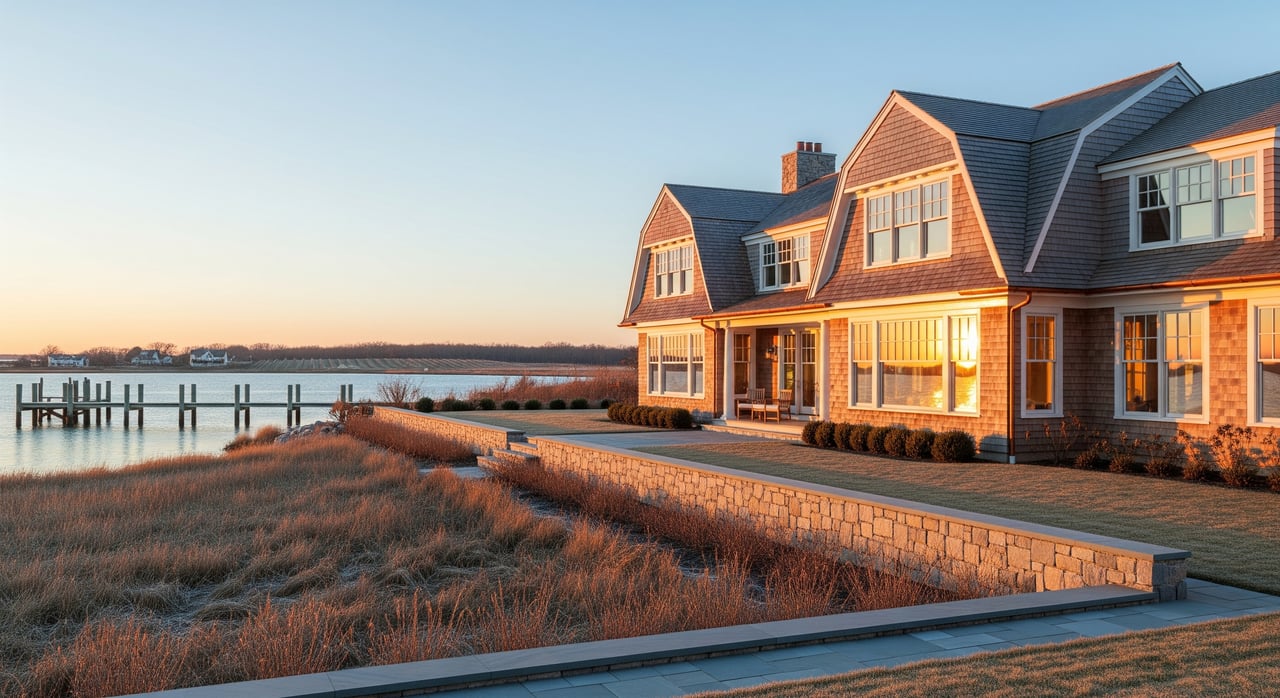
Is your heart set on a weathered-shingle farmhouse or a Main Road Victorian with sunlit porches? Older homes in Southold can deliver rare character and a strong sense of place, but they also come with extra checks, permits, and maintenance decisions. In this guide, you’ll learn the local rules, common condition issues, the right inspections, and smart financing options so you can buy with clarity. Let’s dive in.
What “older home” means in Southold
Southold’s housing stock stretches from early colonial and Federal styles to late Victorian and early 20th‑century vernacular. Many homes retain period trim, original windows, and wood siding, often layered with decades of updates. You’ll find designated resources in and around the Southold Historic District along Main Road.
To get a feel for local styles and historic listings, review the area’s entries on the National Register of Historic Places for Suffolk County. Knowing the era and style helps you anticipate typical materials and maintenance needs.
Check local rules first
Historic preservation approvals
The Town of Southold’s Landmark Preservation rules require a Certificate of Appropriateness for exterior changes that are visible from public streets on designated landmarks or contributing resources. The Historic Preservation Commission reviews proposals and may set conditions. Read the Town Code’s Landmark Preservation chapter to understand when approvals apply and how the process works.
Permits and certificates of occupancy
Before you buy, verify the property’s permit history and certificates of occupancy with the Southold Town Building Department. If past work lacks permits, you may need retroactive approvals or corrections. Build time into your plan for reviews and inspections.
Shoreline, floodplain, and CEHA
If the home is near the bay, creek, or Sound, confirm whether it sits in a Coastal Erosion Hazard Area. Southold implements CEHA rules that regulate shoreline structures and may require special permits for rehabilitation or reconstruction. Start your review with the Town’s CEHA and waterfront provisions, and ask the Building Department about floodplain development permits and elevation certificates.
Water and wastewater basics
Parts of Southold connect to public water, while many properties remain on private wells. Confirm service early because water source can affect inspections and future costs. For on‑site wastewater, Suffolk County regulates cesspool and septic replacements and offers incentives in certain watersheds. Review current standards and records with the County’s Office of Wastewater Management at the Suffolk County Department of Health Services. For program changes and potential grants, see the County’s notice on updated practices and incentives outlining cesspool and septic changes.
Common condition issues to expect
Structure and moisture
Many older homes rest on stone or shallow foundations. Look for settlement cracks, mortar deterioration, and damp basements or crawlspaces. In wood‑framed houses, uneven floors and past modifications to load‑bearing walls can signal the need for an engineer’s review.
Roofs and exteriors
Historic rooflines often carry multiple layers of patching. Inspect shingles, flashing, and gutters, and check attics for staining or rot. Wood clapboard, shingles, and trim need regular painting and repairs where rot or failed paint appears.
Windows and insulation
Single‑pane windows and minimal insulation are common. In designated properties, you may be encouraged to repair rather than replace character windows. Plan for storm panels, weatherstripping, or targeted restoration to balance comfort and preservation.
Electrical and safety
Older wiring types, including knob‑and‑tube, can still be present. Some insurers scrutinize homes with active K&T and may require upgrades. Verify service amperage, panel condition, grounding, and whether any K&T remains active or buried in insulation.
Oil tanks and heating
Many Long Island homes historically used heating oil. If a property may have, or once had, an underground tank, ask for closure documentation or schedule a tank sweep. The New York State DEC’s homeowner guidance explains best practices for removal or proper closure and soil sampling. Review the DEC’s underground oil tank guide before you waive inspections.
Lead, asbestos, and indoor hazards
Homes built before 1978 may contain lead‑based paint, and older materials can include asbestos in insulation, siding, floor tiles, or boiler components. Federal rules require lead disclosure in pre‑1978 homes. Read the EPA’s lead disclosure information for buyers and budget for testing or abatement if needed.
Pests and wood‑destroying insects
Wood‑boring beetles and carpenter ants can be present in older framing. A WDI inspection is a smart addition to your due diligence.
Inspections and specialists to hire
Start with a licensed home inspector who regularly evaluates older and historic‑era homes. Then add specialists based on findings.
Recommended inspections:
- General home inspection focused on structure, roof, moisture, visible electrical, plumbing, and HVAC.
- Licensed electrician to identify knob‑and‑tube, check service size, and estimate upgrade costs.
- Structural engineer if you see significant foundation cracks, sagging, or altered load paths.
- Septic or on‑site wastewater evaluation with a Suffolk County‑approved inspector; confirm records and replacement requirements.
- Oil‑tank sweep with GPR or metal detection; follow with soil sampling if a tank is found.
- Lead paint and asbestos testing in pre‑1978 homes.
- Chimney and fireplace evaluation; boiler or HVAC service check; optional radon test.
- Pest and wood‑destroying insect inspection.
Smart questions to ask
- To your home inspector: How many pre‑1950 homes have you inspected locally, and will you include attic photos and moisture readings in your report?
- To electricians: Is any knob‑and‑tube still active, and is it buried in insulation? What is the rough cost and timeline to rewire?
- To septic contractors: Is the system registered with Suffolk County, and what design standards apply if replacement is required in this watershed?
- To oil‑tank contractors: Can you confirm the presence or absence of a buried tank, and what are the steps if removal or closure is needed?
- To exterior contractors: Do you handle Certificates of Appropriateness and building permit paperwork in Southold if the home is designated?
Financing, incentives, and insurance
Renovation mortgages
- FHA 203(k). Combines purchase and qualified repairs into one FHA‑insured loan. Learn program basics on HUD’s 203(k) page.
- Fannie Mae HomeStyle Renovation. A conventional option that rolls approved renovation costs into one mortgage with staged draws. Explore HomeStyle Renovation.
These products can fund system upgrades while letting you preserve historic character.
Historic tax credits
If a property is designated and meets program rules, New York State offers homeowner rehabilitation credits for qualifying work. Contact NY SHPO early to confirm eligibility and application steps.
Septic grants and wastewater funding
Suffolk County and New York State have offered incentives for upgrading cesspools to advanced treatment systems in priority watersheds. Program details and eligibility can change, so confirm status and records with the County’s wastewater office and review the County’s septic and cesspool update notice.
Insurance planning
Older systems, active knob‑and‑tube, underground oil tanks, and aging roofs can affect insurability and premiums. Check with an insurance broker early and consider an insurance‑availability contingency so you are not forced to close without a policy that meets your needs.
Due diligence checklist
Use this quick checklist to stay on track:
- Confirm whether the property is in the Town of Southold and whether it is designated or in a historic district. If designated, note Certificate of Appropriateness needs and expected lead times.
- Pull permit history and certificates of occupancy with the Southold Town Building Department. Ask the seller for records of major work.
- Order a general inspection with an inspector experienced in older homes, plus specialists for electrical, septic, oil tank, and structural concerns.
- Verify flood zone status and request any elevation certificate for shoreline or near‑shore homes. Expect CEHA and flood permits to influence timelines and costs. See CEHA provisions to plan ahead.
- Confirm water source and test private wells if present. For on‑site wastewater, request County records and schedule a septic evaluation.
- Ask for tank closure paperwork if the home ever used oil heat. If unknown, require a tank sweep and set a remediation plan before closing. Review DEC’s guidance.
- Get at least two contractor estimates for major items like rewiring, septic replacement, or tank removal before final price negotiations.
- Consider renovation financing options like FHA 203(k) or HomeStyle Renovation and discuss realistic draw schedules and timelines with your lender.
Budget and timeline tips
- Build a buffer. Older homes reveal surprises once walls open. A contingency of 10 to 20 percent helps you adapt without stress.
- Respect review timelines. Historic approvals and floodplain permits add steps that can shift your project calendar.
- Sequence smartly. Address structure, envelope, and systems before cosmetics so your investment lasts.
Ready to buy with confidence
An older Southold home can be incredibly rewarding when you pair its story and character with a clear plan for permits, inspections, and upgrades. If you want local guidance, vendor introductions, and a calm, concierge process from offer to close, connect with Maria McBride-Mellinger. Let’s make your North Fork purchase both beautiful and well planned.
FAQs
Do I need special approval to change the exterior of a historic Southold home?
- If the home is a designated landmark or contributing resource, exterior changes visible from public streets often require a Certificate of Appropriateness under the Town’s Landmark Preservation rules.
How do I check if a Southold property is in a flood zone or CEHA area?
- Start with the Town Building Department for floodplain development requirements and review Southold’s CEHA provisions; request any existing elevation certificate from the seller.
What should I do if the home has a cesspool or older septic system?
- Verify records with the County and order a septic evaluation; Suffolk County regulates replacements and offers incentives in some areas through its wastewater office.
How risky is knob‑and‑tube wiring in an older Southold home?
- K&T is an outdated system that may limit insurance and lending options; have a licensed electrician assess whether it is active and price upgrades early.
Can I use a renovation loan on a historic property in Southold?
How do I handle a possible underground oil tank at a Southold property?
- Order a tank sweep, ask for prior closure documents, and follow the DEC’s homeowner guidance on removal, closure, and soil testing if needed.